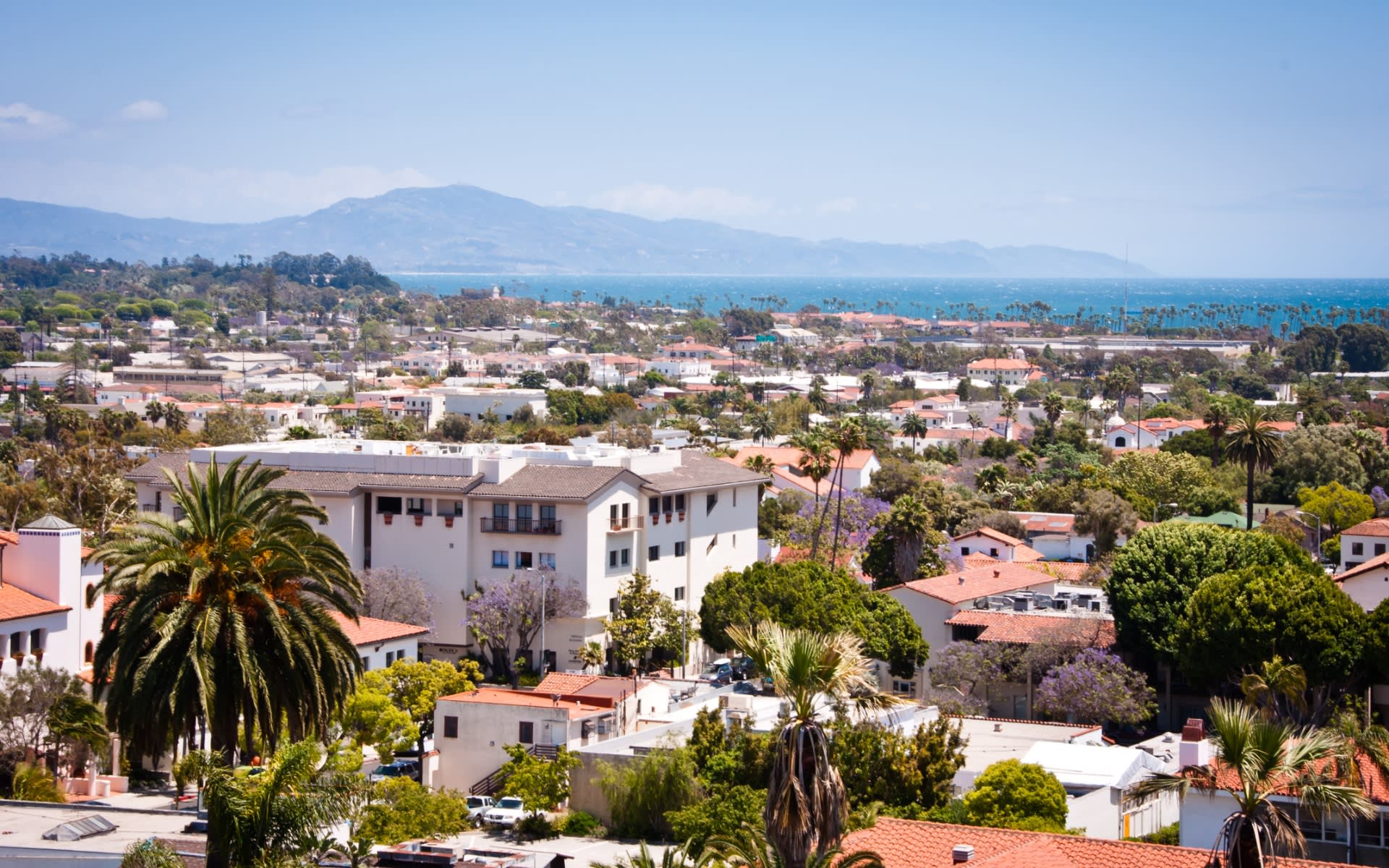
If you have ever driven the Riviera and wondered why one home feels tucked into the hillside while another seems to open fully to the view, the answer is usually architecture as much as location. On the Riviera, style is not just about looks. It shapes privacy, light, outdoor living, and even what changes may be easier or harder to make over time. If you are buying, selling, or simply trying to understand this part of Santa Barbara more clearly, this guide will help you read Riviera homes with more confidence. Let’s dive in.
Why architecture matters on the Riviera
On the Riviera, the house and the site work together. City survey materials describe the area’s character as a blend of steep hillsides and the built environment, with slope influencing streets, lots, walls, and walkways as much as the homes themselves.
That has practical value for you as a buyer or seller. A Riviera property is often judged not only by its façade, but also by how it handles grading, retaining walls, decks, rooflines, and the natural terrain. In other words, a beautiful home that fits its site well often feels more successful than one that ignores the hillside.
Santa Barbara also uses layered design review, with the most specific guideline controlling. For many single-family properties outside historic district jurisdiction, the Single Family Design Board may be relevant, while historic resources may also involve the Historic Landmarks Commission.
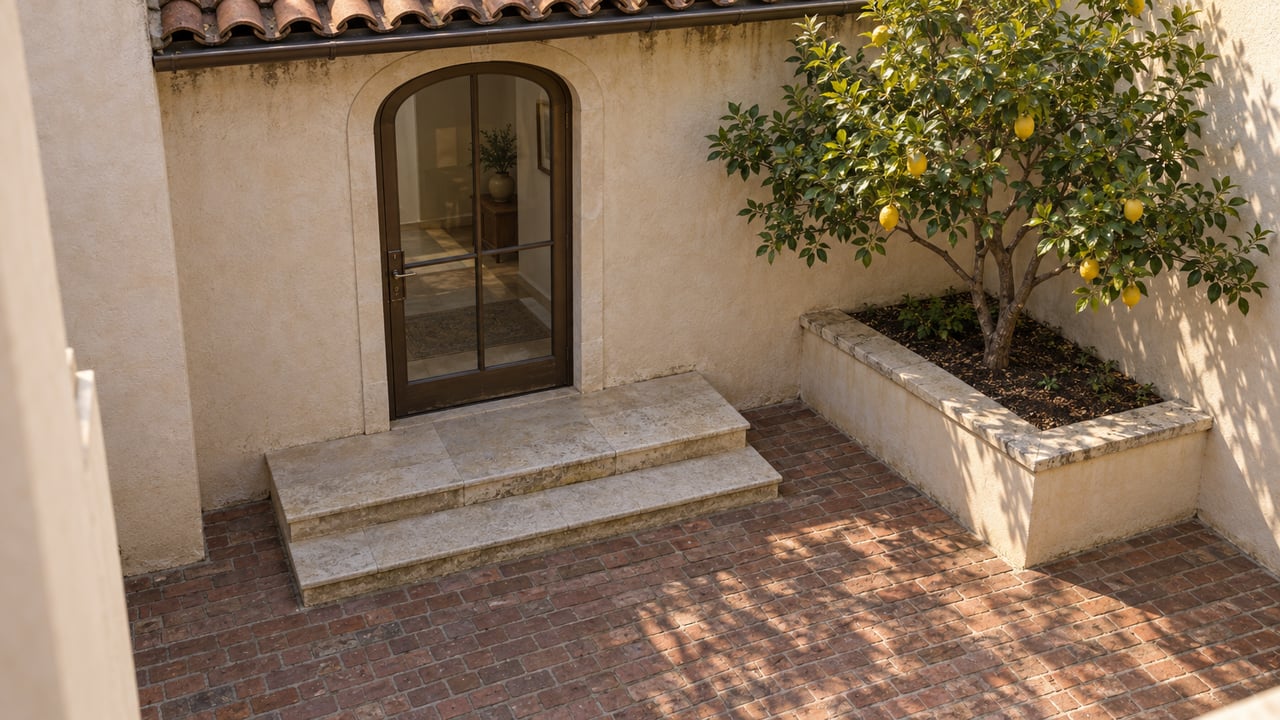
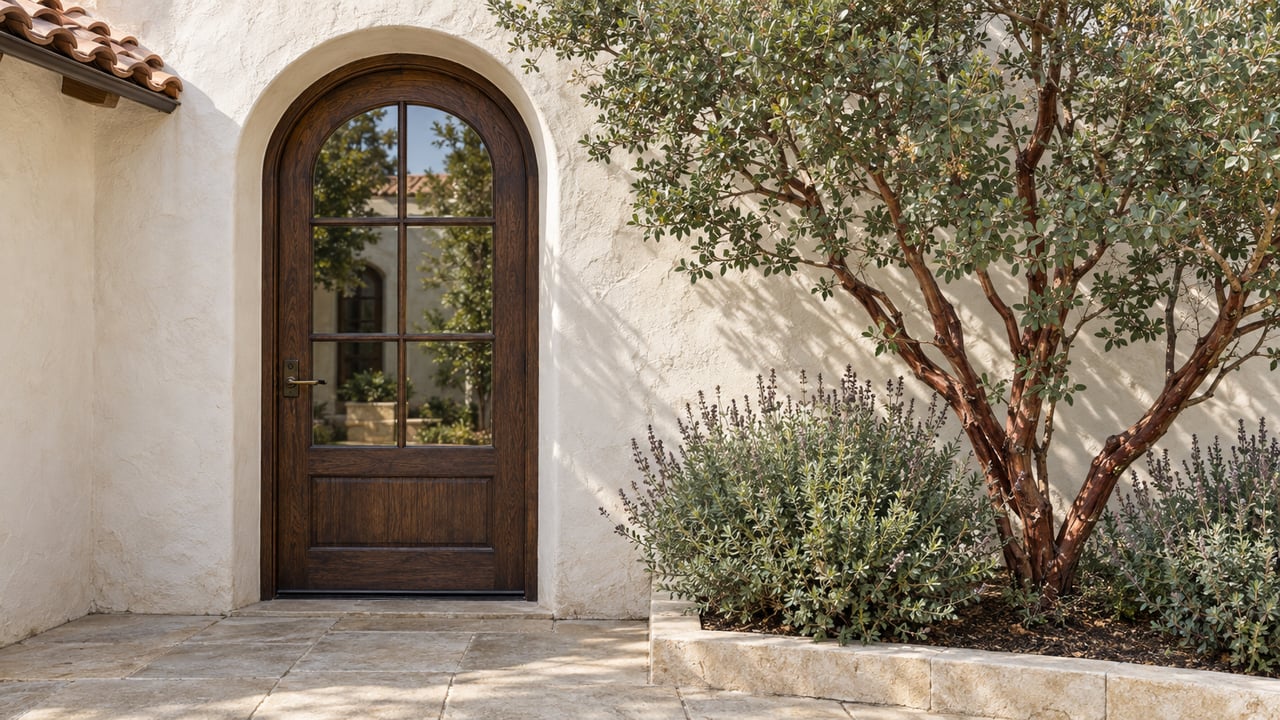
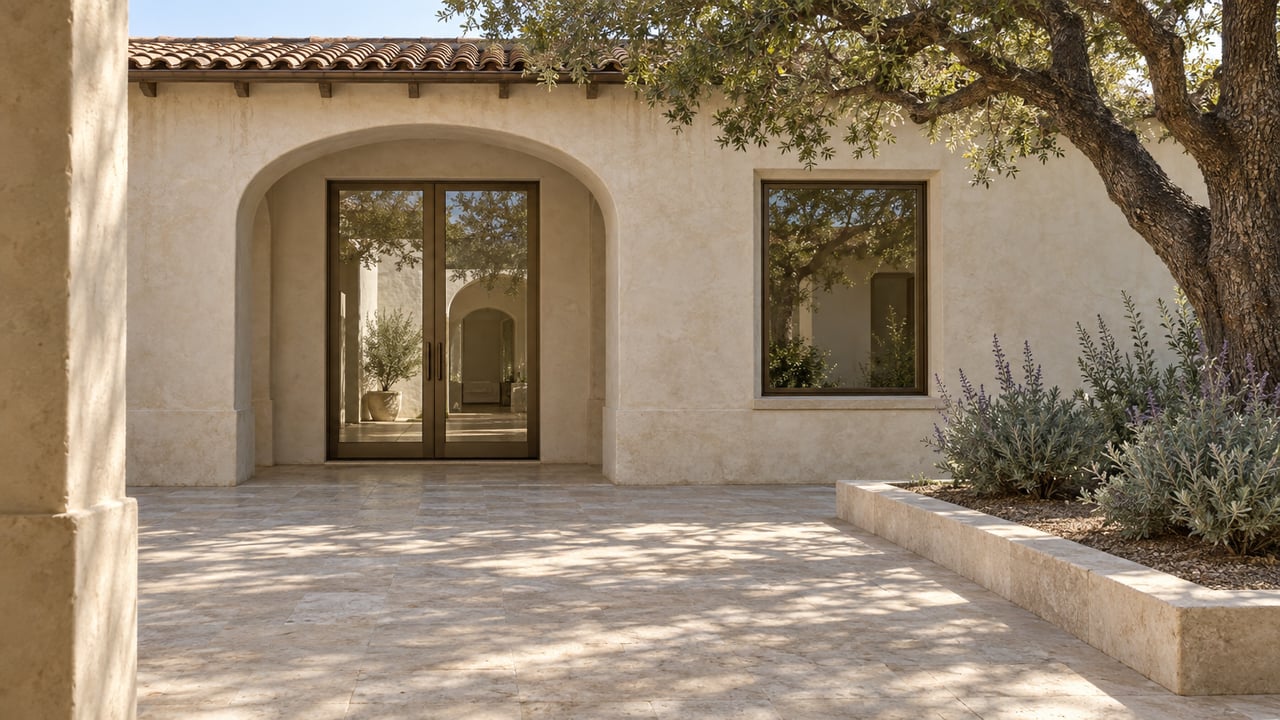
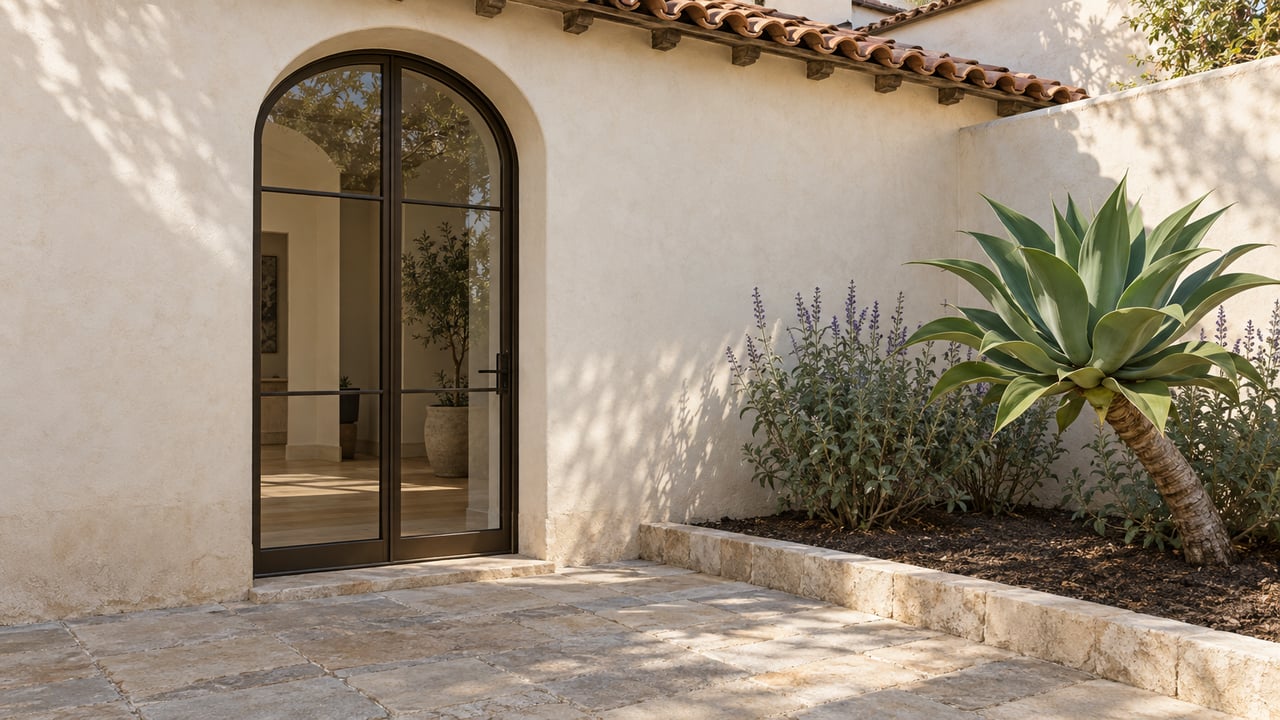
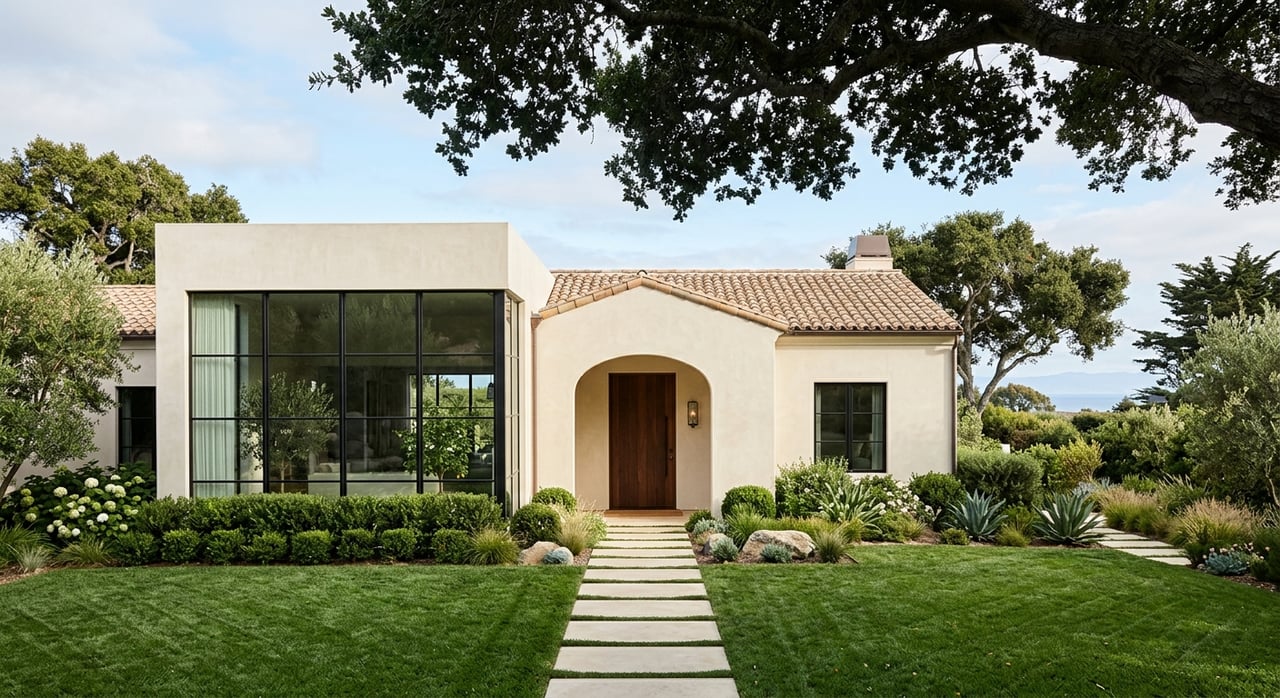
Spanish Colonial Revival on the Riviera
Spanish Colonial Revival is the style many people most closely associate with Santa Barbara. City history materials connect its rise to the period after the 1915 Panama-California Exposition and the city’s rebuilding efforts after 1925, and the Lower Riviera guidelines note that this style was widely adopted for homes in the 1920s and 1930s.
On the Riviera, these homes are often more modest than grand estate versions of the same style. Even so, they still carry the features that make the architecture feel distinctly local and deeply tied to Santa Barbara’s design identity.
Key Spanish Colonial features
You will often see:
- Low-pitched tile roofs
- Stucco walls
- Arched openings
- Recessed windows and doors
- Asymmetrical façades
- Wrought iron details
- Patios, courtyards, and arcaded walkways
These details do more than create curb appeal. They usually support a more inward-facing layout, where outdoor rooms feel sheltered and private.
How Spanish Colonial homes live
Many Spanish Colonial homes feel charming, layered, and intimate. Floor plans are often more compartmentalized than newer homes, which can appeal to buyers who value separation between living spaces and a stronger sense of enclosure.
Outdoor living also tends to feel especially natural in this style. Courtyards, patios, and garden-facing spaces often become an extension of daily life rather than an afterthought.
What to watch over time
Original materials matter in these homes. The City identifies windows as important character-defining features, and even like-for-like window replacement requires a permit.
If a building is older or historic, an Architectural Historian review may also be required before approval. Original wood windows, plaster, tile, and decorative iron can add lasting value and authenticity, but they also require thoughtful upkeep.
Mid-century modern on the Riviera
The Riviera also includes mid-century modern homes, and Santa Barbara has formally recognized mid-century architecture as part of its local design history. In one local example cited by the City, large glass windows and terrazzo detailing are highlighted for the way they connect the house to the landscape.
If Spanish Colonial homes often turn inward, mid-century homes tend to do the opposite. They are usually designed to frame light, views, and the natural setting more directly.
Key mid-century features
You will often notice:
- Clean lines
- Functional layouts
- Organic shapes
- Large glass openings
- Strong indoor-outdoor connection
- Minimal ornament
These homes often feel simple at first glance, but the best ones are very intentional. Their success usually depends on proportion, siting, and a clear relationship between structure and landscape.
How mid-century homes live
Mid-century homes often feel open, airy, and visually calm. Sightlines are typically easier, and interior spaces may flow more naturally toward terraces, gardens, or views.
For buyers who want a house that feels bright and connected to the outdoors, this style can be especially compelling. It often suits modern living patterns without requiring the scale or finish level of brand-new construction.
What to watch over time
With mid-century homes, maintenance issues are often less about decoration and more about systems and envelope. Roofing, glazing, and original finishes can all affect how well the home performs and how true it remains to its design.
Because the appeal of mid-century architecture often rests in its clean composition, changes that seem minor can alter the whole effect. Preserving the relationship between glass, structure, and site is often key.
Contemporary view homes on the Riviera
Many later Riviera homes lean contemporary, especially on view-oriented lots. These homes usually emphasize light, glass, decks, and open circulation rather than historic detailing.
In practical terms, contemporary homes often prioritize the experience of the setting. They tend to be oriented around ocean, city, or sunset views, with architecture designed to bring those features into everyday life.
Key contemporary features
Common traits often include:
- Rectilinear forms
- Light exterior surfaces
- Expansive glazing
- Open interior spaces
- Reduced ornament
- Strong deck and terrace connections
On the Riviera, these homes are often judged not only by appearance but by how well they solve hillside constraints. Apparent height, privacy, and exposed exterior surfaces can all affect the overall success of the design.
How contemporary homes live
Contemporary view homes often offer the easiest flow for entertaining and the strongest visual connection to the landscape. Open kitchens, living areas, and large sliding doors can make the home feel expansive even when the footprint is constrained by the lot.
If your priority is direct views and clean circulation, this style may be the most natural fit. It often aligns well with buyers who want less period-specific restoration and more immediate day-to-day ease.
What to watch over time
On steep sites, exterior decisions matter. City hillside guidelines prefer designs that step with the terrain, and terraced retaining walls are often favored over one tall wall.
That means future work on decks, walls, grading, or roof changes may have more impact than buyers expect. On the Riviera, modern design still has to answer to the hillside.
Older and transitional Riviera styles
The Riviera is not a one-style neighborhood. City historic survey materials also note earlier and transitional homes, including Victorian-era styles, Craftsman, and other early residential types.
Across broader Santa Barbara, related styles include Mission Revival, American Colonial Revival, Italian Mediterranean, Tudor, and other revivals. For you, that means Riviera architecture is best understood as a layered timeline rather than a single design label.
How style affects daily life
Architecture shapes more than aesthetics. On the Riviera, it often changes how you move through the house, how you use outdoor space, and how much flexibility you may have when updating the property.
Floor plan and flow
Spanish Colonial Revival homes often have more compact or compartmentalized layouts. Mid-century and contemporary homes usually favor openness, longer sightlines, and a stronger visual relationship to the outdoors.
Neither is inherently better. It depends on whether you prefer privacy and separation or openness and continuity.
Outdoor living patterns
Spanish Colonial homes often shine with courtyards, patios, and arcades. Mid-century and contemporary homes tend to pair better with decks, terraces, and broad glazing.
Because the Riviera is steep in many places, the usability of outdoor space often depends as much on site planning as square footage. A well-designed terrace that follows the terrain may feel more useful than a larger but awkward exterior area.
Renovation and repairs
Older Riviera homes can be rewarding, but they are rarely simple renovation projects. The City requires permits for all window replacements, recommends retaining and repairing original windows when possible, and requires an Architectural Historian evaluation when a building is more than 50 years old.
Roof material changes on hillside properties can also trigger review. Buyers coming from flatter or less regulated markets are often surprised by how much design oversight can affect the scope, timing, and cost of improvements.
What style can mean for value
A careful reading of Santa Barbara’s preservation and hillside framework suggests that the market often rewards three things: authenticity, usability, and site fit. A home that preserves its character-defining features and works naturally with the hillside may feel more compelling than one with larger but less coherent changes.
That can show up differently by style. A well-kept Spanish Colonial home with usable courtyards may carry more appeal than one that has lost its defining details, while a mid-century or contemporary home often benefits when its glazing, orientation, and privacy solutions truly support the view lot.
For buyers, style preference and renovation tolerance often go hand in hand. If you want less period-specific restoration, you may prefer a property that already matches your lifestyle and the demands of its site.
A smart way to evaluate Riviera homes
When you tour a Riviera property, try to look beyond staging and finishes. Ask yourself how the architecture handles slope, light, privacy, and outdoor access, because those factors often shape long-term enjoyment more than cosmetic details do.
It is also wise to verify a property’s status before making assumptions about future changes. The City notes that historic survey data is updated over time, and the Historic Treasures Map is where the most current public designation information is shared.
For buyers and sellers alike, the Riviera rewards a careful eye. Understanding style here is really about understanding the full relationship between house, land, and local review.
If you are considering a Riviera purchase or preparing a home for sale, thoughtful guidance can make a meaningful difference. The team at Grubb Campbell Real Estate offers discreet, highly personalized representation grounded in deep Santa Barbara market knowledge.
FAQs
What is the most common architectural style on the Riviera in Santa Barbara?
- Spanish Colonial Revival is the style most closely associated with Santa Barbara, and City materials note that it was widely adopted across residential neighborhoods, including the Riviera, especially in the 1920s and 1930s.
Are Riviera homes in Santa Barbara harder to renovate because of the hillside?
- They can be more complex because slope, retaining walls, grading, decks, and roof changes may all be relevant to design review, especially on hillside sites.
Do original windows matter in older Riviera homes?
- Yes. The City identifies original windows as important character-defining features, requires permits for replacement, and may require additional review for older or historic buildings.
How do Spanish Colonial and mid-century Riviera homes differ in layout?
- Spanish Colonial homes often have more compact, compartmentalized plans with inward-facing outdoor areas, while mid-century homes usually feel more open and connected to light, landscape, and views.
Are all Riviera homes Spanish style homes?
- No. The Riviera includes Spanish Colonial Revival homes, mid-century modern properties, contemporary view homes, and older transitional styles such as Craftsman and Victorian-era houses.
How can you check whether a Riviera property has historic status?
- The City notes that designation information is updated over time, and the Historic Treasures Map is the public source for the most current status information.