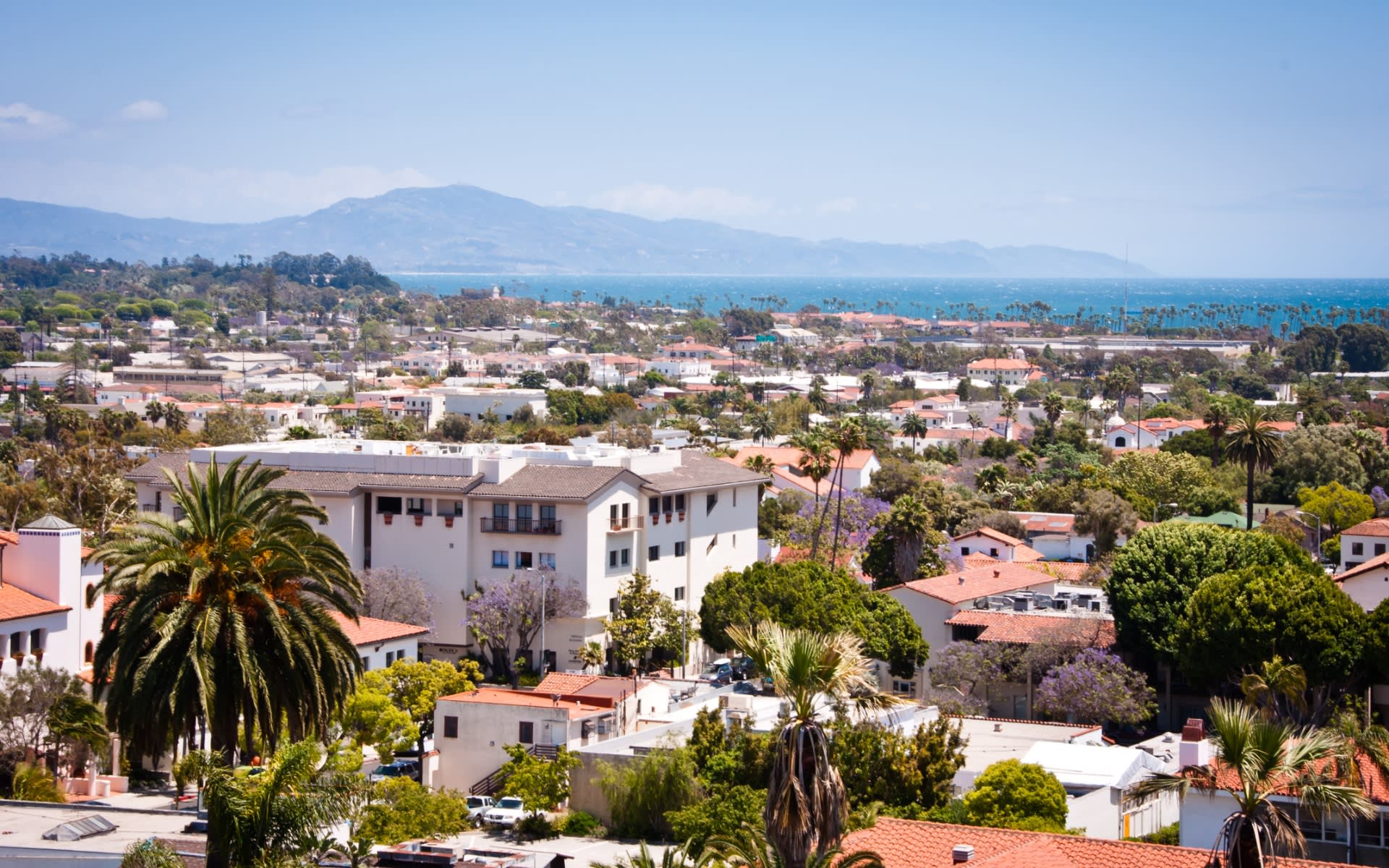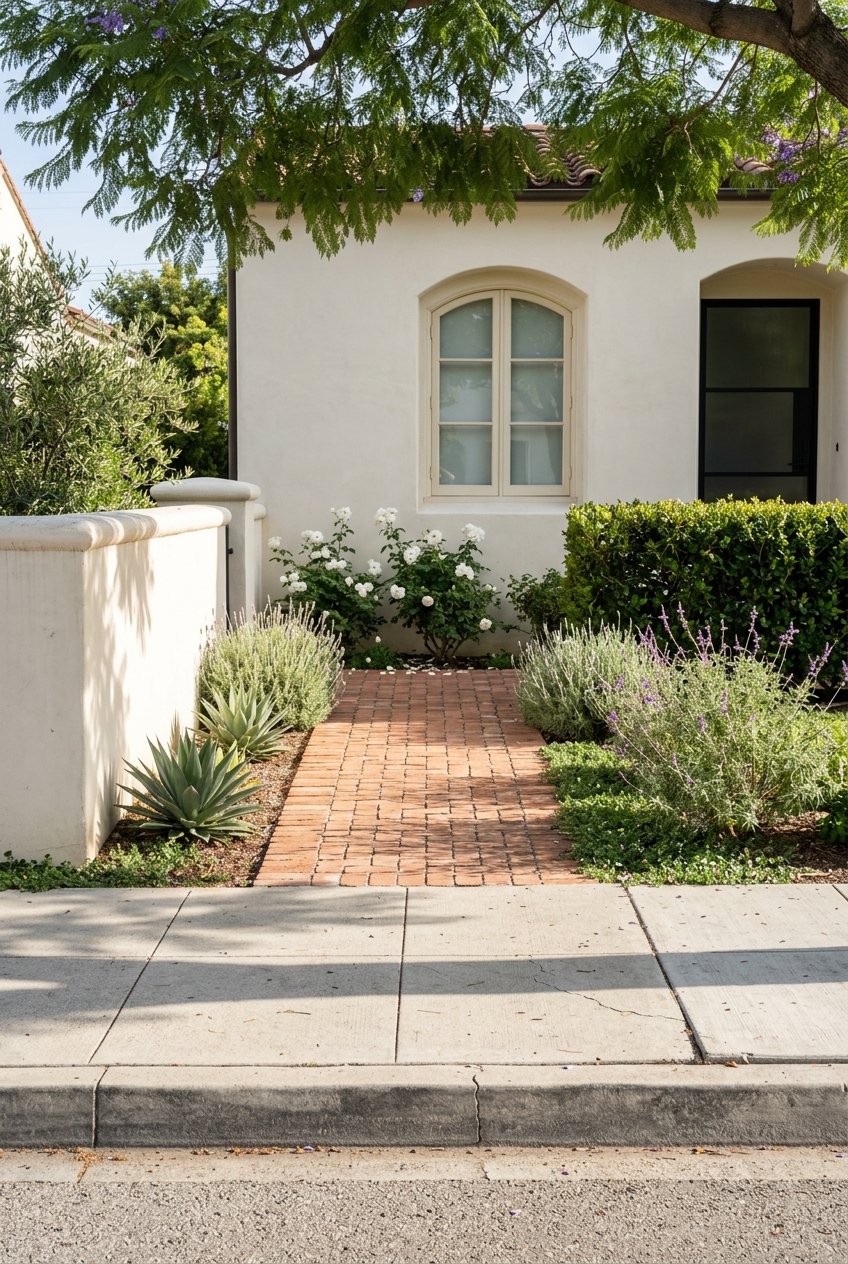
Looking for a Santa Barbara neighborhood that feels established, central, and quietly distinctive? Upper East stands out for its tree-lined streets, varied housing, and close connection to some of the city’s best-known historic landmarks. If you are trying to understand what gives this area its identity, this guide will walk you through its boundaries, streetscape, homes, and daily lifestyle. Let’s dive in.
Upper East at a Glance
Upper East is a 377-acre neighborhood in Santa Barbara with 1,436 existing dwelling units. According to the City’s General Plan, it is bounded by Mission Creek and Las Encinas Road to the north, Sola Street to the south, Laguna Avenue, Olive Avenue, and Olive Street to the east, and State Street to the west.
That location matters because it places Upper East in a central inland setting rather than along the waterfront. For many buyers, that means the neighborhood offers a calm residential feel while still staying connected to the rest of Santa Barbara.
A Residential Neighborhood First
One of the clearest things that defines Upper East is its residential character. City planning documents describe it as primarily residential, which shapes everything from the pace of the streets to the way homes sit on their lots.
In the northern portion of the neighborhood, you will find spacious single-family houses set back from the street on larger lots. In other sections, especially between Sola and Valerio, Garden, and Laguna, the housing pattern shifts more toward multifamily buildings.
This mix gives Upper East a layered identity. It is not a neighborhood of one housing type or one visual rhythm, which is part of what makes it feel both established and adaptable.
Walkable Streets and a Leafy Feel
Upper East also benefits from an older street pattern that supports walking. The City’s pedestrian plan notes that Upper East sits within Santa Barbara’s historical street grid, where blocks are pedestrian-sized and the area is generally walkable.
That walkability is paired with a notably green streetscape. A City urban forest inventory estimated that Upper East has 30% tree-canopy cover, or about 112 acres of canopy across its 377 acres.
In practical terms, that helps explain why the neighborhood is often associated with shaded streets and a mature, settled atmosphere. If you value a residential area that feels softer and more established, that canopy is a meaningful part of the experience.
Upper East Architecture Has Range
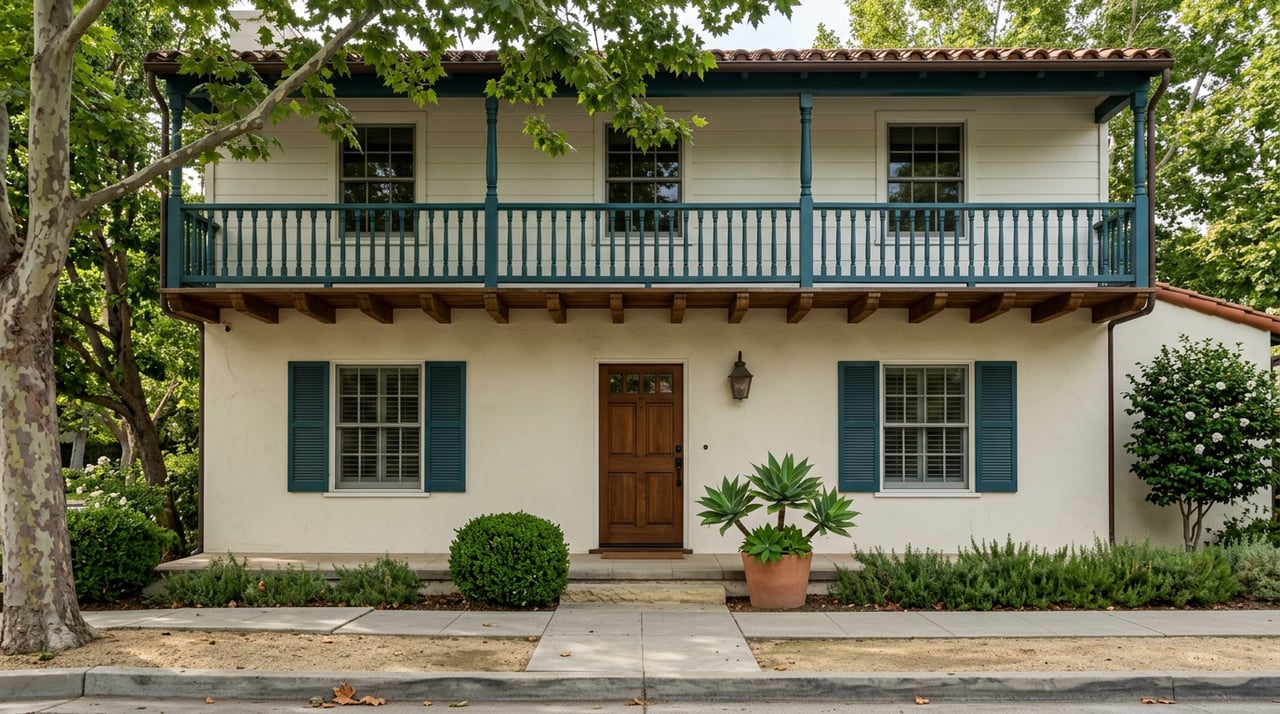
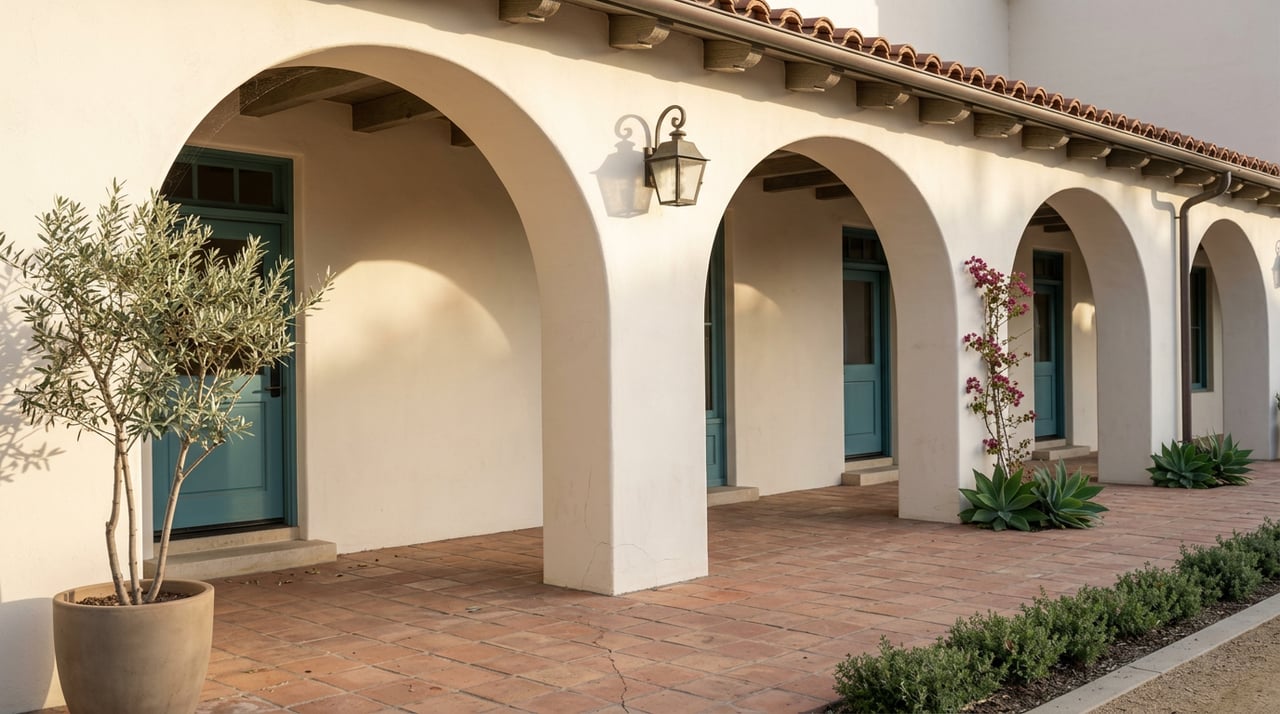
Upper East is one of Santa Barbara’s more architecturally varied residential areas. City historic sources place the neighborhood among areas known for exotic revival styles, and a Historic Landmarks Commission report identifies Italianate, Queen Anne, Craftsman, and Mission Revival examples in the surrounding neighborhood context.
City historic design guidelines also point to Queen Anne Free Classic as a local Upper East example. Together, these references show that the neighborhood’s visual identity is not tied to one single look.
For you as a buyer or homeowner, that variety can make Upper East especially appealing. Instead of a uniform tract feel, the neighborhood offers a broader mix of period details, building forms, and streetscapes.
Historic Character Without Feeling Frozen
Upper East has historic fabric, but it is not a museum piece. City planning materials support the idea that the neighborhood includes older homes alongside later infill and a range of housing forms.
For example, the City’s Objective Design and Development Standards use Upper East as a local example of a medium multiplex building type. That refers to a 3- to 4-unit, house-scaled building designed to appear similar to a single-family home.
This is an important detail because it shows how Upper East balances heritage with lived-in practicality. The neighborhood has preserved character, but it also includes housing forms that reflect change over time.
Mission Landmarks Shape the Identity
Another defining feature of Upper East is its connection to Mission-area landmarks. Mission Historical Park sits across from Mission Santa Barbara and includes the A.C. Postel Memorial Rose Garden.
The City notes that the rose garden contains more than 1,500 rose bushes and includes trails. These nearby public spaces add a recognizable sense of place and help anchor the neighborhood within one of Santa Barbara’s most historically resonant areas.
For many people, that Mission-adjacent setting is part of Upper East’s appeal. It offers a sense of tradition and visual beauty without making the neighborhood feel overly busy or commercial.
Close to Downtown, Yet Distinctly Residential
Upper East benefits from proximity to Downtown Santa Barbara without reading as an intense urban district. The General Plan notes that part of the neighborhood is within walking distance to Downtown, and State Street remains a key focus of the city’s long-term downtown revitalization.
That means you may be able to enjoy easier access to restaurants, errands, and daily activities while returning home to a quieter residential setting. This balance is one of the reasons Upper East continues to appeal to buyers looking for both convenience and character.
In many neighborhoods, central location can come with a tradeoff in atmosphere. In Upper East, the appeal often lies in having that access while still feeling rooted in a mature neighborhood environment.
Different Areas Within Upper East
Upper East is not identical from block to block. The City’s neighborhood description points to several subareas with different patterns of use and housing.
The northern section is known for larger-lot single-family homes. The area between Sola and Valerio, Garden, and Laguna is more multifamily in character, while the southwest portion near Valerio includes apartment structures, motels, professional offices, churches, parks, and schools.
That means your experience of Upper East can vary depending on where you are within its boundaries. If you are considering a purchase there, it helps to look closely at the immediate block and surrounding uses rather than relying only on the neighborhood name.
Potential Historic Fabric Nearby
A useful reference point near Upper East is the proposed Mission Gardens Historic District. The City identifies it as a potential historic resource, not an officially designated district.
The report describes an area roughly bounded by Pedregosa Street, Emerson Street, Plaza Rubio, and Laguna Street that retains nearly all of its single-family buildings and its historic street and sidewalk pattern from about 1880 to 1940. While this does not mean the area is officially designated, it does help illustrate the broader historic fabric associated with this part of Santa Barbara.
For buyers who appreciate context, this is a reminder that Upper East is part of a larger network of older neighborhood patterns. That can shape both the visual experience of the area and the way certain blocks feel over time.
What Defines Upper East Most
If you had to reduce Upper East to a few defining traits, four stand out most clearly:
- A central inland location near Downtown and the Mission area
- A primarily residential setting with a mix of single-family and multifamily housing
- A walkable historical street grid with substantial tree canopy
- A varied architectural identity shaped by historic styles and later infill
Together, those qualities create a neighborhood that feels classic Santa Barbara in a very specific way. Upper East is quiet but connected, historic but lived-in, and refined without feeling isolated.
Why This Matters When You Buy or Sell
Understanding what defines Upper East can help you make better real estate decisions. If you are buying, it gives you a clearer framework for evaluating block-by-block differences, housing type, and long-term appeal.
If you are selling, it helps position a property in a way that goes beyond square footage or bedroom count. Features like walkability, tree canopy, architectural character, and Mission-area proximity often shape how buyers experience a home before they ever step inside.
In a neighborhood like Upper East, context matters. The strongest marketing and acquisition strategies usually come from understanding not just the home, but the setting that gives it value.
If you are considering a move in Santa Barbara and want thoughtful guidance on neighborhoods, property positioning, or a discreet sale, Grubb Campbell Real Estate offers tailored, high-touch advisory across Santa Barbara County.
FAQs
Where is Upper East in Santa Barbara?
- Upper East is a central inland Santa Barbara neighborhood bounded by Mission Creek and Las Encinas Road to the north, Sola Street to the south, Laguna Avenue, Olive Avenue, and Olive Street to the east, and State Street to the west.
Is Upper East Santa Barbara walkable?
- Yes. City planning documents describe Upper East as generally walkable because it sits within the historical street grid with pedestrian-sized blocks.
What types of homes are in Upper East Santa Barbara?
- Upper East includes spacious single-family homes, multifamily housing, and some house-scaled multiplex buildings, along with a mix of older and later infill properties.
What architectural styles define Upper East?
- City sources identify Italianate, Queen Anne, Craftsman, Mission Revival, and Queen Anne Free Classic as part of the neighborhood’s architectural identity.
Is Upper East near Mission Santa Barbara?
- Yes. Upper East is closely associated with the Mission area, including Mission Historical Park and the A.C. Postel Memorial Rose Garden across from Mission Santa Barbara.
Is Upper East close to Downtown Santa Barbara?
- Yes. The City notes that part of Upper East is within walking distance to Downtown, which supports convenient access while maintaining a residential setting.