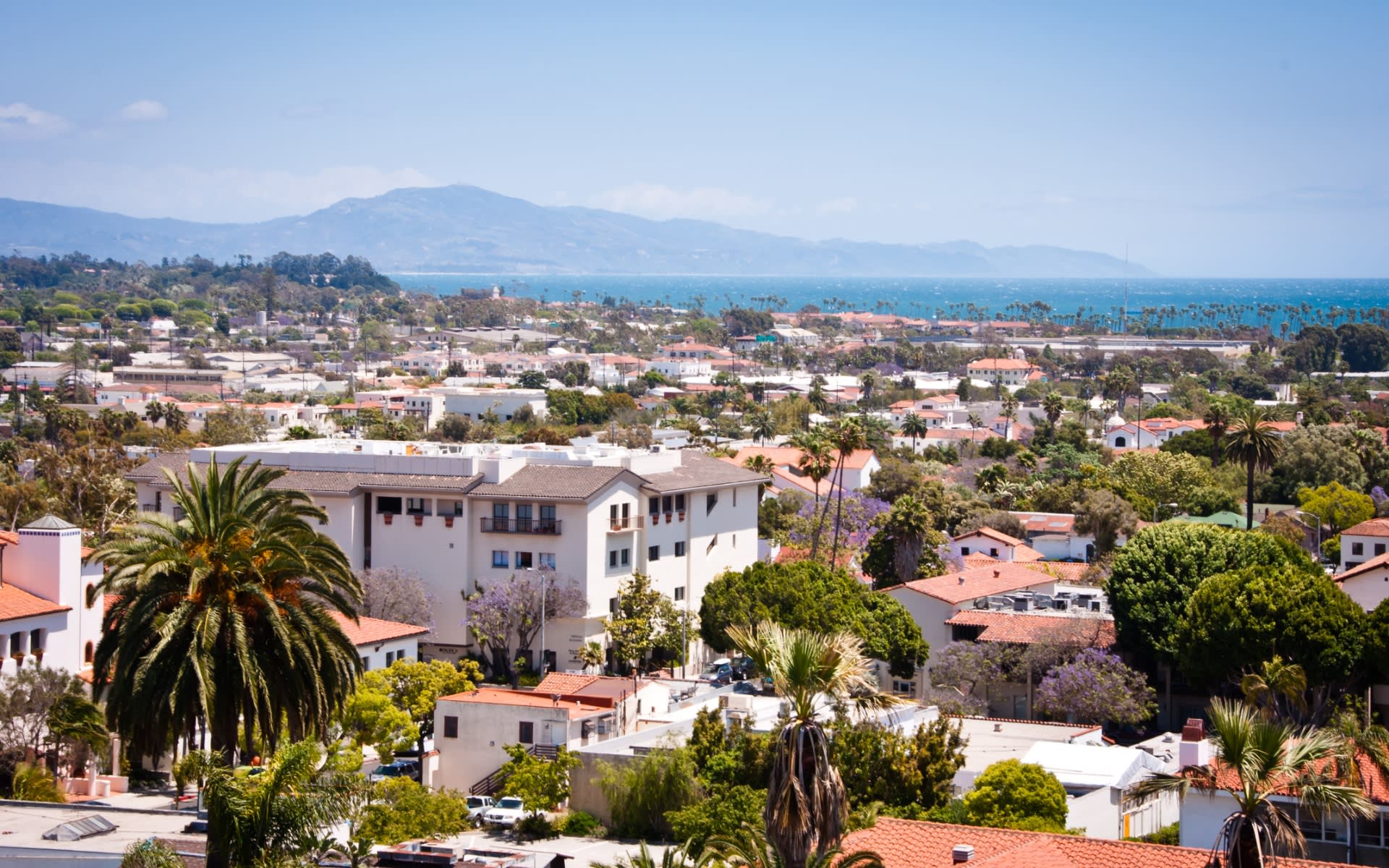
Picture your morning starting with a quiet walk for coffee, a few easy blocks to a museum, and a sunset stroll to the pier. That is the everyday rhythm of Downtown Santa Barbara. If you are weighing a pied-à-terre or a full-time move, you want to know how life actually feels between State Street and the waterfront. In this guide, you will learn what days look like, the trade-offs to consider, the types of homes you will find, and how to approach practical details like parking and short-term rental rules. Let’s dive in.
What daily life feels like
Downtown is compact and built for walking. State Street is the central spine that carries you from cafés and shops to Stearns Wharf and the beach in about 10 to 15 minutes on foot. That straight-line connection to the water shapes the whole lifestyle, from morning runs to impromptu dinner by the harbor. You will see locals mixing with visitors, but everyday errands still feel close and simple.
Addresses in the core score as a Walker’s Paradise on Walk Score, with many points in the 90s. That reflects short blocks and dense amenities that make it practical to skip the car for much of your day. If you prioritize convenience and time outside, this is one of downtown’s biggest daily benefits.
For reference, you can see a representative rating near the heart of State Street on Walk Score’s map of 1628 State Street.
Getting around without a car
Walking does most of the work here, and shared mobility fills the gaps. The city and MTD operate seasonal circulators, including the May to September Downtown–Waterfront Shuttle, which links the waterfront, Amtrak station, zoo, and downtown stops. That makes short errands or guest pickup simpler when you do not want to drive.
Culture and entertainment at your door
Theaters and live performances
Downtown’s historic theaters create a steady calendar of concerts, film screenings, and special events. The Granada Theatre anchors major performances, while the Arlington Theatre and Lobero Theatre add variety and scale. On festival weeks and big concert nights, expect more evening foot traffic and energy along State Street.
Museums, galleries, and the Funk Zone
The Santa Barbara Museum of Art sits right on State Street, with rotating exhibits that reward quick, frequent visits. A short stroll south brings you to the Funk Zone, a creative pocket between State Street and the waterfront with galleries, tasting rooms, breweries, and casual dining. It is easy to meet a friend after work for a glass of wine, then wander to the beach.
Everyday errands and the waterfront
Shopping and services
For daily needs, Paseo Nuevo is the central open-air shopping courtyard set into the downtown blocks. You will also find groceries, pharmacies, fitness studios, and coffee within short walks of most addresses. Errands compress into quick trips, which is a major part of downtown’s appeal.
Beaches and the pier
Stearns Wharf, East Beach, and West Beach sit within easy reach of State Street. Morning walks on the sand, a quick surf, or a sunset at the pier can become part of your weekly routine. Waterfront access is one of the standout lifestyle perks of living downtown.
Homes and architecture you will see
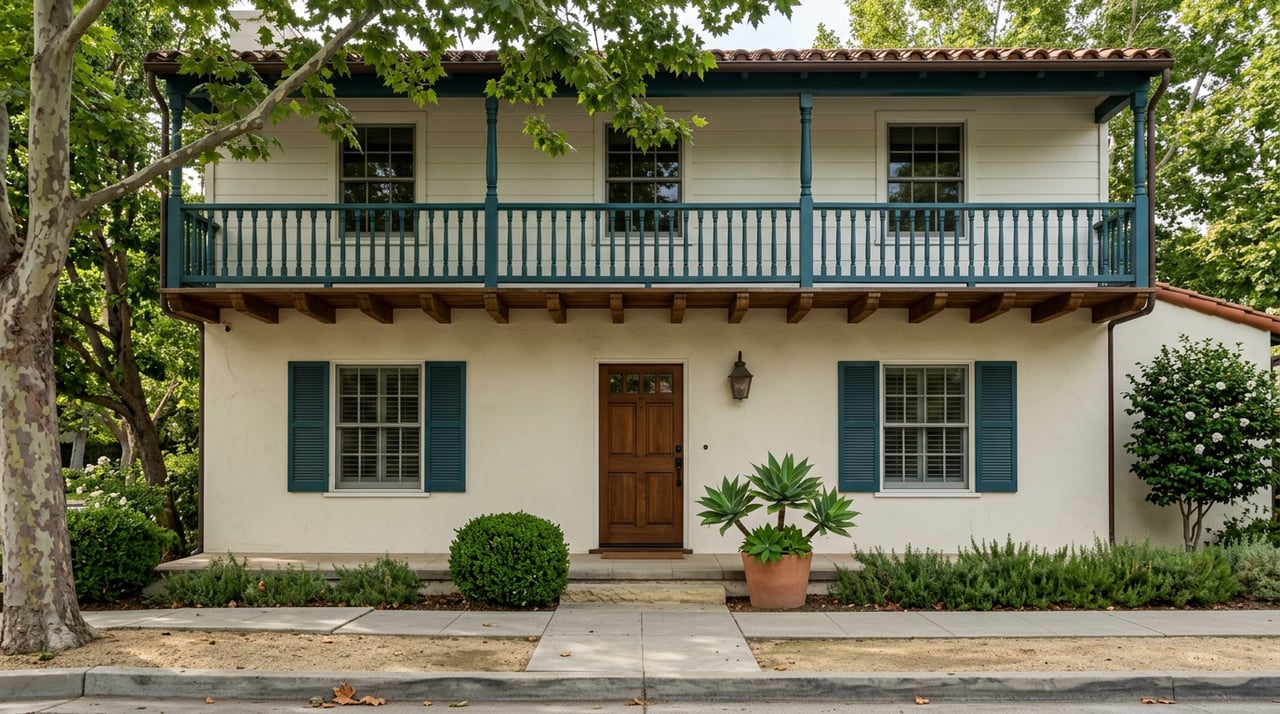
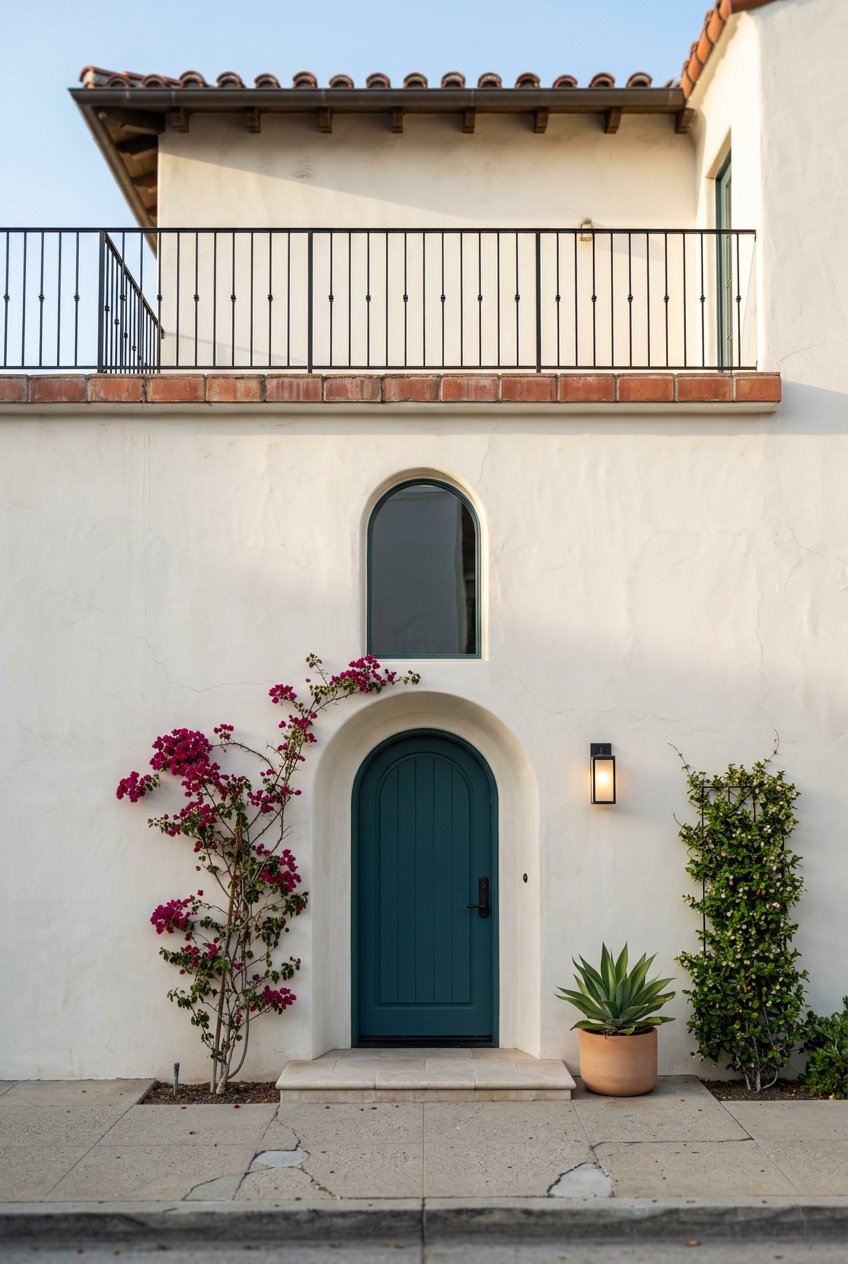
Inside the core blocks, you will mostly encounter condominiums, boutique townhomes, and apartments that favor smaller footprints and low-maintenance living. Just outside the most active corridor, older bungalow-scale homes and Spanish Colonial Revival residences appear, reflecting the city’s architectural identity after the 1925 rebuild. That shared design language is why downtown feels cohesive from façade to plaza.
Costs and value context
Citywide indices put Santa Barbara values well above national averages. A recent estimate places the typical home value around 1.78 million dollars as of January 31, 2026, while another major source shows a different citywide median near 2.06 million dollars for the same period. Downtown units like condos and small townhomes generally trade below large coastal estates but often carry premium pricing per square foot compared with many inland markets. Exact pricing varies widely by building, parking, views, and condition.
For rentals, recent downtown listings suggest studio and one-bedroom apartments commonly exceed 2,000 dollars per month, with wide variation by location and building. If you are comparing a pied-à-terre to a larger single-family neighborhood, keep in mind that you are often trading square footage for walkability and access.
Who downtown suits
Downtown draws several groups who value a walkable, coastal-urban lifestyle.
- Empty-nesters and retirees who want low-maintenance living with easy access to dining and culture.
- Professionals and remote workers who prefer short commutes and car-light days.
- Second-home and pied-à-terre buyers who want a lock-and-leave base near the waterfront.
- Creatives and hospitality professionals who enjoy proximity to galleries and tasting rooms.
These patterns reflect the neighborhood’s amenities and housing mix.
Trade-offs to weigh
Every location involves choices. Here, the gains are clear: walkability, culture, and proximity to the beach. The considerations are just as real.
- Smaller indoor spaces and closer neighbor proximity are common.
- Evening and weekend foot traffic increases during festival weeks and summer.
- Many buildings rely on public garages or managed lots for parking.
- Design review can affect exterior changes in historic areas.
Being clear about what matters most to you will help you choose the right building and block.
Practical details for owners
Short-term rentals
The City of Santa Barbara has been developing and updating its short-term rental ordinance. STRs are regulated in hotel-allowed zones and prohibited in many single- and two-family zones, with draft zoning amendments in progress. If you are considering a second home you might rent short-term, review the city’s current rules and confirm zoning and permit paths before you buy.
Parking and event nights
Downtown addresses often depend on city garages or private lots. Theaters and venues coordinate event parking with nearby garages and posted fees, which is helpful for guests but can affect peak-hour access. Ask sellers or HOAs about assigned or deeded spaces, guest parking, and any event-night restrictions.
Historic review and exterior changes
In portions of downtown and the El Pueblo Viejo area, façade and exterior changes can require design review. Older buildings may include preservation-related easements that influence timelines and budget. If you plan to remodel, factor in review steps early.
Your first-visit loop
If you are exploring for the first time, take a 10 to 15 minute loop to feel the rhythm.
- Start on State Street for coffee and a few storefronts.
- Walk to the Santa Barbara Museum of Art and browse a gallery.
- Continue down State Street to Stearns Wharf and look back at the mountains.
- Cross into the Funk Zone for a tasting room or casual bite.
Repeat this loop at three different times: a weekday morning, a weekend midday, and an evening. Notice foot traffic, noise levels, and how each block feels.
Smart questions to ask before you buy
Use these prompts with the listing agent or HOA to avoid surprises.
- Is the unit in a historic building or subject to design or preservation review? If so, how might that affect remodel plans and timelines?
- What exactly is the parking arrangement? Is there assigned or deeded parking, and how are guest and event-night rules handled?
- What are the HOA rules on rentals, including any short-term restrictions and recorded CC&Rs? Confirm alignment with current city STR policy.
- Have there been recent special assessments or seismic retrofit work? Any planned projects?
- What are typical HOA fees, utilities, and maintenance costs for comparable units?
What is changing in the core
The proposed redevelopment of Paseo Nuevo is a notable downtown project under city review. Plans describe a mixed-use approach that could add several hundred residential units, adjust parking and retail footprints, and shift the center of gravity for street life if approved. For buyers, this is important context for future housing supply and day-to-day activity.
A calm, walkable coastal base
If you love the idea of stepping out your door to theaters, galleries, and the beach, Downtown Santa Barbara delivers a refined, walkable lifestyle that is hard to replicate. The trade-offs are manageable with the right building, parking plan, and understanding of local rules. When evaluated with care, a downtown condo or townhome can be a practical and inspiring base for full-time living or a pied-à-terre.
If you would like a discreet, expert perspective on specific buildings, HOA dynamics, and value, we are here to help. Connect with Grubb Campbell Real Estate to Schedule a Confidential Consultation.
FAQs
Is Downtown Santa Barbara walkable for daily errands?
- Yes. Core addresses score as a Walker’s Paradise on Walk Score, and the seasonal Downtown–Waterfront Shuttle helps link key stops for car-light living.
What types of homes are common in Downtown Santa Barbara?
- Expect condominiums, boutique townhomes, and apartments in the core, with nearby blocks featuring older bungalow-scale and Spanish Colonial Revival homes.
How much do homes and rents cost in Downtown Santa Barbara?
- Citywide, recent estimates place typical home value around 1.78 million dollars, with another source showing a city median near 2.06 million dollars; downtown condos and townhomes vary by building, and many studios or one-bed rentals exceed 2,000 dollars per month.
Are short-term rentals allowed in Downtown Santa Barbara?
- It depends on zoning and current ordinance details; review the city’s short-term rental project page and confirm rules with Planning before you buy or rent out a unit.
What is parking like if you live downtown?
- Many buildings rely on public garages or managed lots; ask about assigned or deeded spaces, guest parking, and event-night policies near theaters and venues.
What is the Paseo Nuevo redevelopment and why does it matter?
- It is a proposed mixed-use plan under review that could add housing and reshape retail and parking; it may influence housing supply and daily activity if approved.