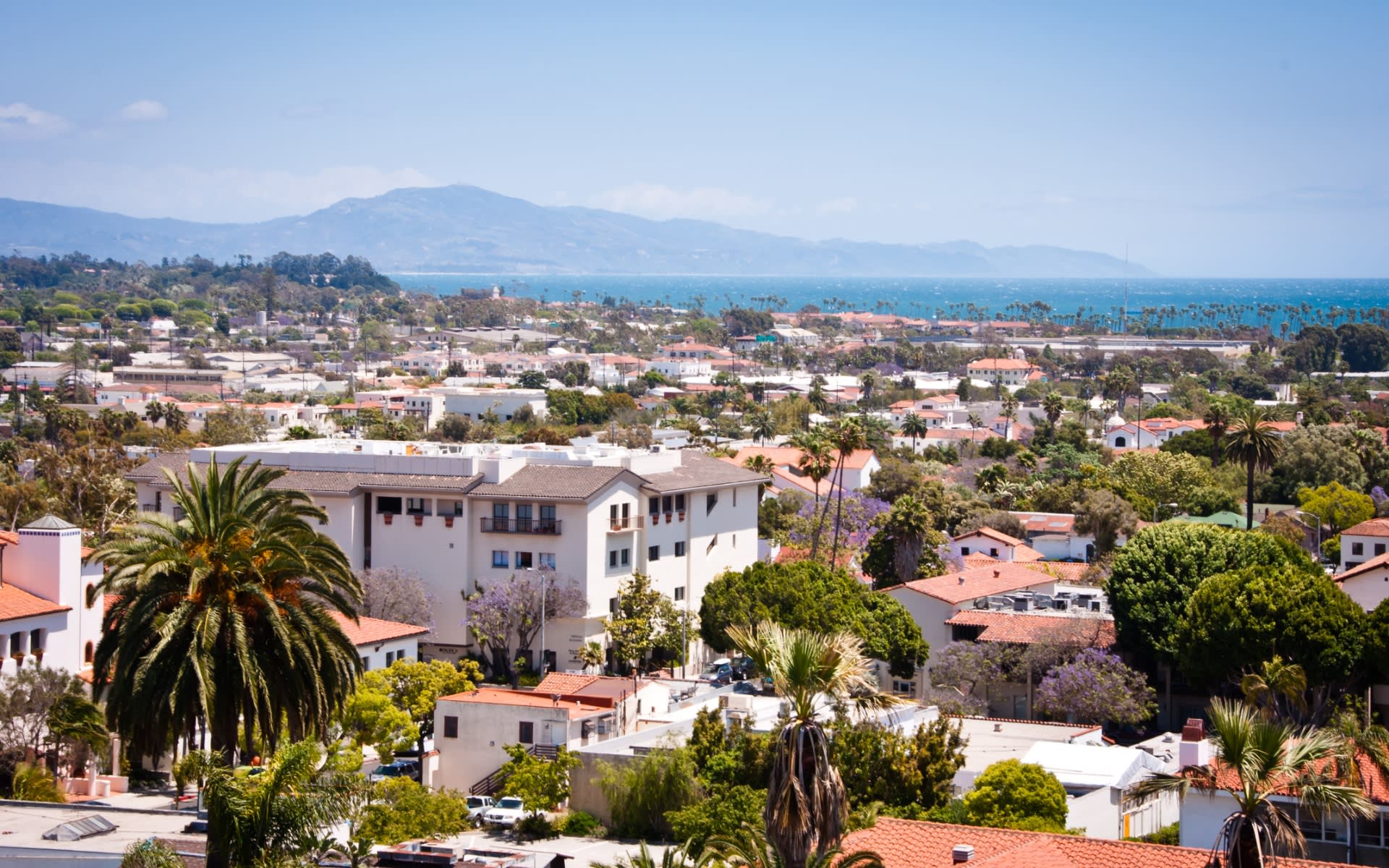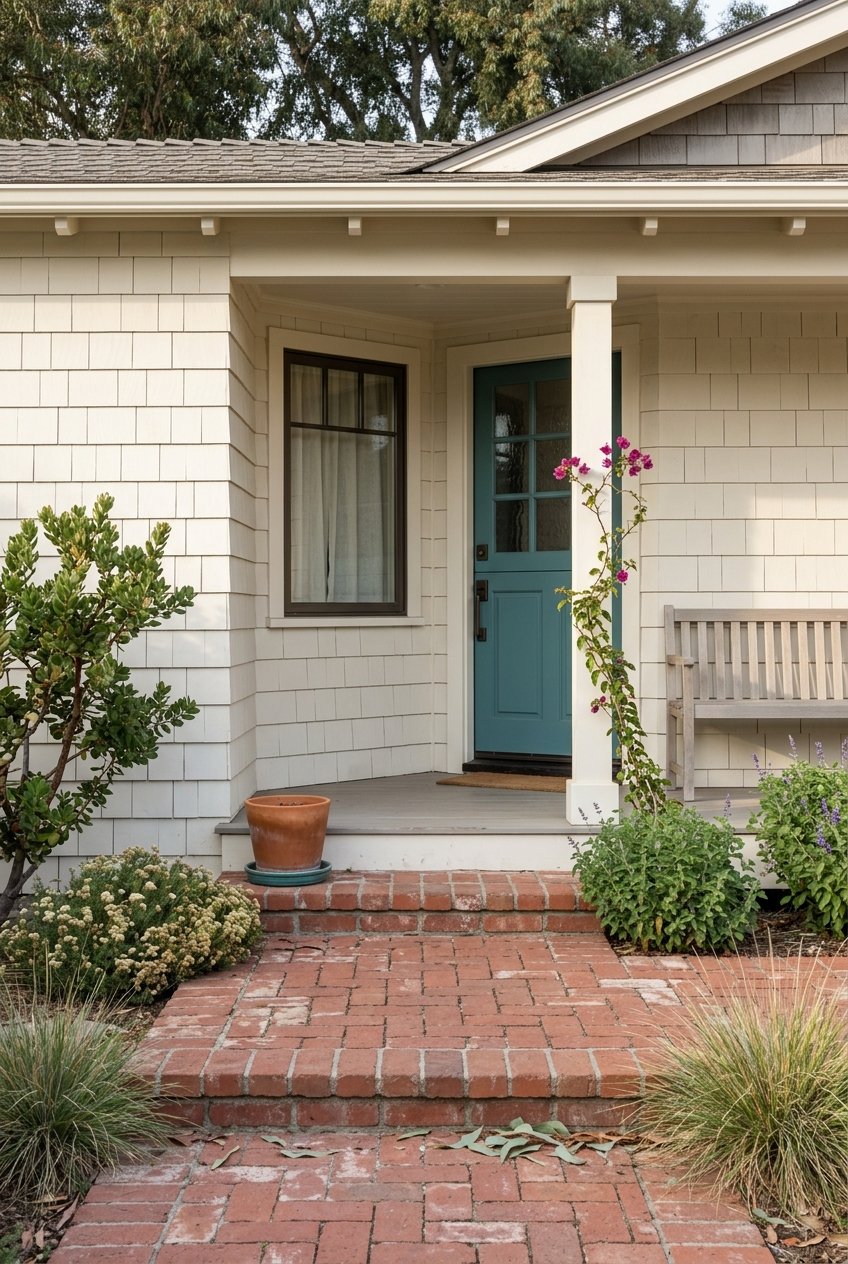
If you are drawn to coastal homes with character, Summerland offers a rare mix of small-town scale, ocean views, and a built environment shaped by history. It is the kind of place where the setting matters as much as the home itself, and where buyers often weigh charm, privacy, and daily ease all at once. If you are considering a purchase or sale here, understanding how Summerland works can help you make better decisions. Let’s take a closer look.
Why Summerland Feels Distinct
Summerland is a very small unincorporated community in southern Santa Barbara County, positioned between Santa Barbara and Carpinteria. County planning materials place the Pacific Ocean to the south, Montecito to the north, Ortega Ridge Road to the west, and Padaro Lane to the east. That geography helps explain why the area feels tucked away, even though it sits along a well-known stretch of the South Coast.
The scale is genuinely limited. The 2020 Census counted 1,222 residents and 740 housing units in Summerland, which makes it one of the smaller coastal communities in the county. For you as a buyer or seller, that means Summerland is best understood as a niche market rather than a large, fast-changing housing pool.
Its physical layout also adds to that sense of intimacy. A beachfront strip sits between Highway 101 and the ocean, while the highway and railroad create a clear separation from the rest of the plan area. In day-to-day life, that structure makes Summerland feel compact, self-contained, and village-like.
How Cottages Shape Summerland’s Image
When people picture Summerland, they often think of cottages, older homes, and view-oriented living. County planning documents support that impression, even if “cottage” is better used as market shorthand than as a formal architectural category. The community is known for a low-scale, historic, and view-sensitive character that continues to shape how homes fit into the landscape.
That history goes back to 1888, when Summerland was subdivided as a spiritualist community. County coastal-plan materials note that many original lots were laid out at roughly 25 by 50 feet on steep slopes north of present-day Highway 101. Those small lots and grades still influence what can be built, how homes are positioned, and why older coastal homes remain such a visible part of the town’s identity.
Several local landmarks reinforce that older-coastal feel. Planning materials identify visual resources such as the Big Yellow House, the Galen Clark Residence, the Summerland Presbyterian Church, the former Omelette Parlor building now known as Summerland Beach Cafe, and the classic Victorians. Together, they help explain why Summerland often reads as layered, historic, and modest in scale even when individual properties vary widely.
Why Ocean Views Matter Here
In Summerland, ocean views are not just a selling point. They are a central planning priority. County coastal-plan language emphasizes that public views from Summerland to the ocean and from Highway 101 to the foothills should be protected and enhanced.
That policy focus matters because it affects how the community evolves. Structures in key corridors are expected to preserve broad ocean views, and the plan also highlights scenic ocean and mountain vistas as essential community assets. For you as a homeowner, that means views are part of both the lifestyle and the regulatory context.
Privacy also plays a role. The same planning framework emphasizes privacy for individual residences alongside view protection and compatibility with community scale. In practical terms, Summerland’s appeal often comes from the balance between outlook, modest massing, and a setting that still feels residential rather than overbuilt.
Design Review Shapes the Market
Summerland has a design-conscious identity, and that affects both buyers and sellers. The Summerland Citizens’ Association created a Summerland Board of Architectural Review in 1974, and county policy indicates that new or altered buildings should go through the county’s Board of Architectural Review process before coastal development or land use permits are issued.
The board’s role is advisory, but the planning record makes clear that architectural compatibility is taken seriously. If you are buying with plans to renovate, expand, or rebuild, this is important. The home itself is only part of the equation. The site, the view corridors, and the broader setting all shape what may be realistic.
For sellers, this context can also help position a property well. A home that fits Summerland’s scale and preserves the qualities buyers value most may stand out in a market where character and setting carry unusual weight.
What Daily Life Looks Like
Summerland’s commercial core is compact and easy to understand. Official tourism materials describe it as a two-exit town and identify Ortega Hill Road as the main street, while county planning documents place the commercial core along Ortega Hill Road and Lillie Avenue just north of Highway 101. This is not a large shopping district. It is a small coastal main street with an easy rhythm.
That rhythm is part of the appeal. Official local tourism sources highlight casual eateries, boutique shops, quaint cafes, wine tasting, and antiquing, with Summerland noted for some of the county’s best antiquing. For many buyers, that creates a lifestyle built around simple, local routines rather than long lists of amenities.
Outdoor access also shapes the experience. Summerland’s tourism materials point to the beach below Lookout Park, a coastal bike route through eucalyptus trees, Toro Canyon Park for hiking, and horseback riding on the beach and in the backcountry. County park descriptions add to that picture by describing Lookout Park as a tiny park and Oceanview Park as a place for ocean views, picnics, and trails.
What Buyers Should Consider
If you are considering Summerland, it helps to look beyond the postcard appeal. The town’s charm is real, but so are its constraints. County materials say the original small lots and steep slopes still make building difficult, and the coastal plan requires development to remain compatible with the community’s scale while protecting public and private views.
That means a property search here often involves more than comparing square footage or finishes. You may also need to think about topography, parking, circulation, access, and the practical limits of future changes. In a place like Summerland, the land and planning framework can matter almost as much as the house.
The town’s small housing base also shapes the buying process. With only 740 housing units counted in the 2020 Census, inventory is naturally limited. That limited scale supports Summerland’s reputation as a view-driven coastal enclave rather than a broad, interchangeable neighborhood.
For some buyers, the slower pace and compact village feel are exactly the point. For others, they may feel like tradeoffs. The right fit often comes down to whether you value intimacy, scenery, and character more than convenience at scale.
What Sellers Should Keep in Mind
If you are selling in Summerland, context matters. Buyers are not just evaluating a residence. They are evaluating the relationship between the home, the view, the lot, and the town’s distinct scale. A thoughtful marketing strategy should reflect that.
Summerland is especially well suited to presentation that highlights setting and spatial experience. Ocean outlooks, hillside positioning, privacy, architectural compatibility, and proximity to the village core can all influence how a property is perceived. In a smaller market, clear positioning is often more important than broad messaging.
It is also helpful to understand the practical concerns buyers may bring to the table. County planning materials connect some of Summerland’s ongoing issues to parking, circulation, visitor access, and numerous unimproved public road rights-of-way in the urban grid. Addressing these points with clarity can help build confidence and reduce uncertainty during the sale process.
Why Summerland Appeals to Lifestyle Buyers
Summerland tends to attract people who want a more intimate version of coastal Santa Barbara County living. The combination of ocean access, village scale, older built character, and protected views creates a lifestyle that feels curated by geography as much as by architecture. That is a meaningful difference in a region with many distinct micro-markets.
For some, Summerland works well as a primary residence because of its slower pace and close connection to the coast. For others, it is especially compelling as a second-home destination shaped by scenery, ease, and a sense of retreat. In both cases, the appeal comes from qualities that are hard to replicate at a larger scale.
If you are approaching Summerland with care and realistic expectations, it can be an exceptional place to buy or sell. And because the market is so limited, informed guidance can make a real difference in how you evaluate value, opportunity, and fit.
If you are considering a move in Summerland or preparing to position a property for sale, Grubb Campbell Real Estate offers discreet, tailored guidance grounded in deep local knowledge across Santa Barbara County.
FAQs
What makes Summerland real estate feel different from nearby coastal areas?
- Summerland is unusually small, with 1,222 residents and 740 housing units counted in the 2020 Census, and its village layout, ocean orientation, and historic low-scale character give it a more compact feel than many nearby markets.
What does “cottage” usually mean in Summerland real estate?
- In Summerland, “cottage” is best understood as a market description for the town’s low-scale, historic, and view-sensitive coastal character rather than a strict architectural label used by county planners.
Why are ocean views so important in Summerland?
- County coastal planning places strong emphasis on protecting and enhancing public ocean views and foothill views, which means views are both a lifestyle feature and a key part of how the community is managed.
What should Summerland buyers know about remodeling a home?
- Buyers should know that small original lots, steep slopes, view protections, and county design review can all affect renovation or expansion plans, so future changes may be more complex than they first appear.
What is daily life like in Summerland, California?
- Daily life in Summerland centers on a compact main street area, casual dining, boutique shopping, antiquing, nearby parks, beach access, and a generally low-key coastal pace.
What should Summerland sellers highlight when marketing a home?
- Sellers should focus on the property’s relationship to views, privacy, lot position, architectural character, and proximity to the village core, since buyers often evaluate the full setting as much as the home itself.