Wondering what it’s really like to live in Hope Ranch? For many buyers, the appeal is easy to understand: more space, a quiet coastal setting, and a strong sense of privacy without feeling far removed from Santa Barbara. If you are considering a move here, it helps to understand how daily life, property design, and association rules shape the experience. Let’s take a closer look.
What sets Hope Ranch apart
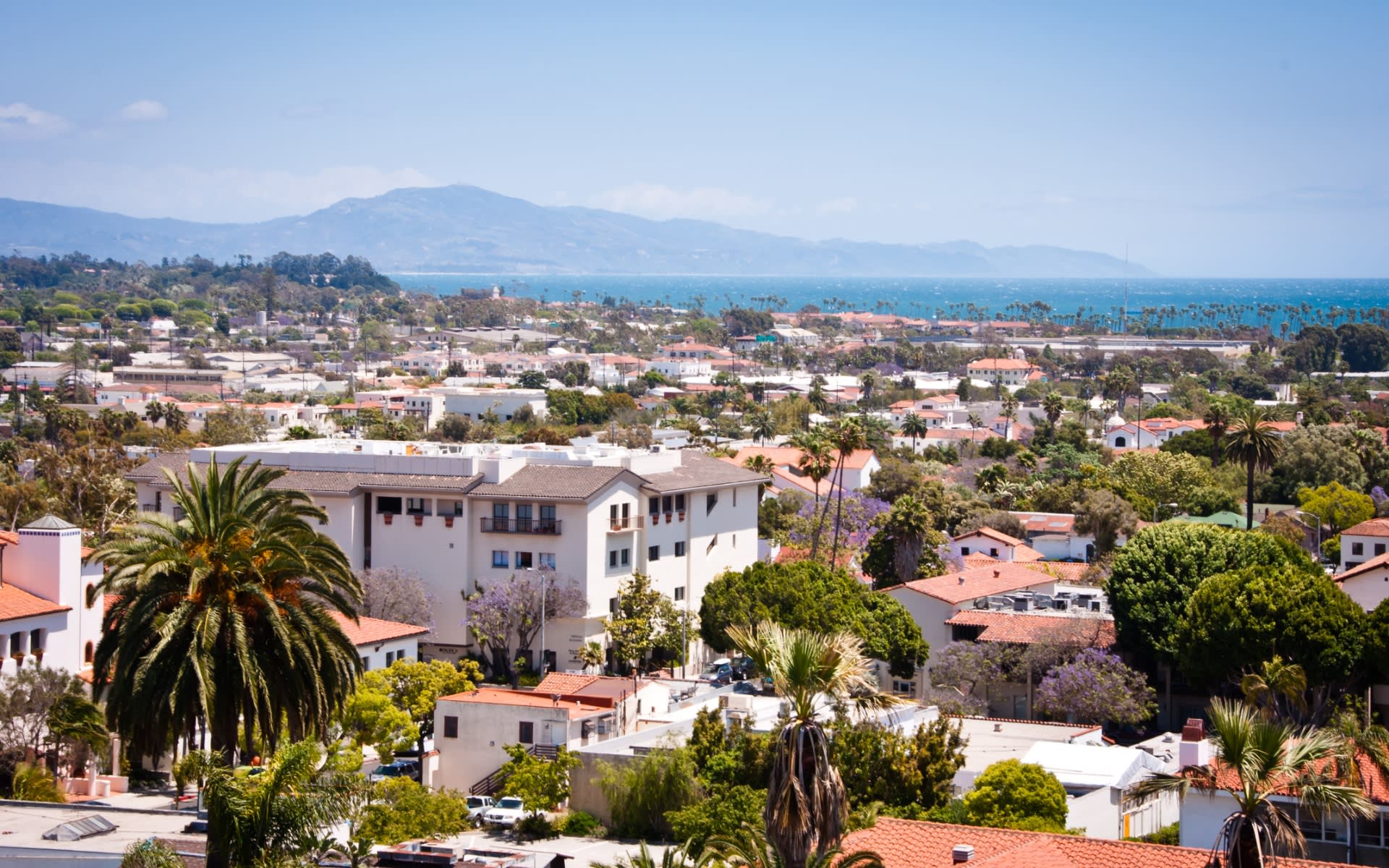
Hope Ranch is a 1,863-acre community of 773 lots in southeastern Santa Barbara County, located between Highway 101 and the ocean. Its setting includes a broad mesa, low rolling knolls, a valley, and live oaks, which gives the area a distinct natural character.
What often stands out most is that Hope Ranch is not simply a neighborhood in the casual sense. It has been governed by a homeowners association since the early 1920s, and that long-standing structure plays a central role in preserving the community’s setting, rules, and overall lifestyle.
Privacy is built into the landscape
One of the defining features of Hope Ranch is its low-density layout. The lots are irregular acreage parcels that were originally planned to fit the land, scenic outlooks, and potential home sites rather than a tighter suburban street grid.
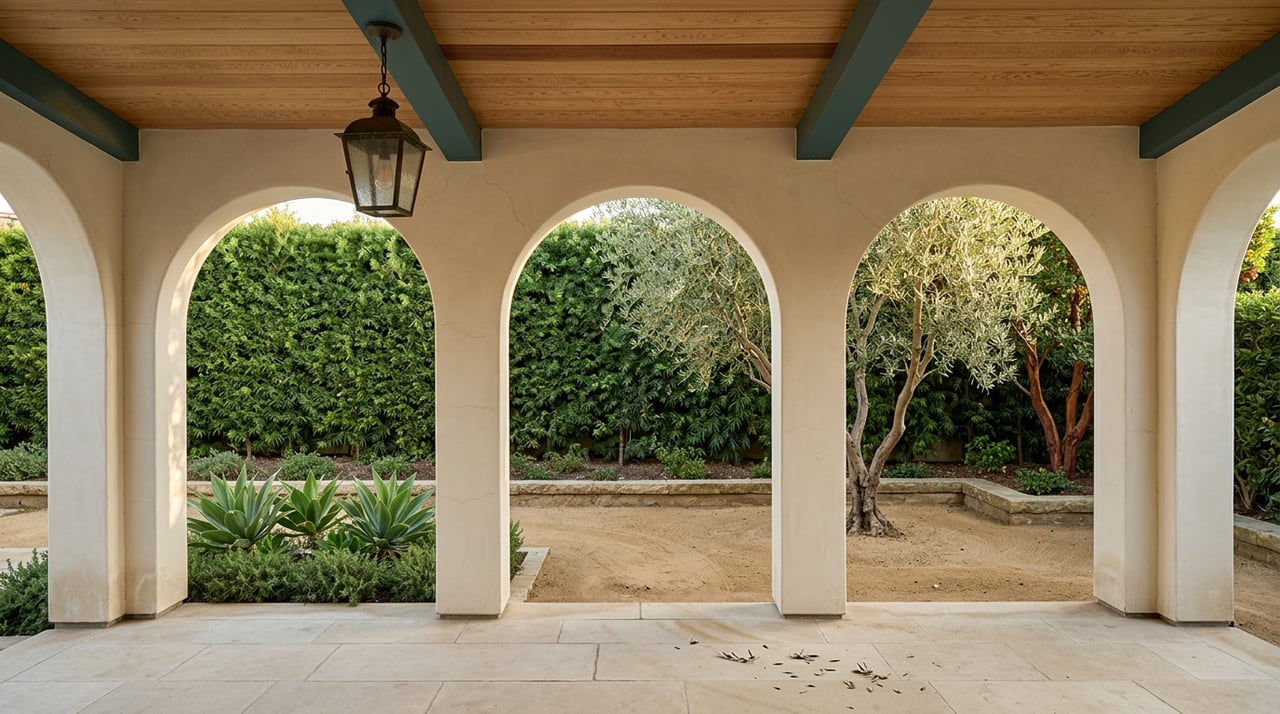
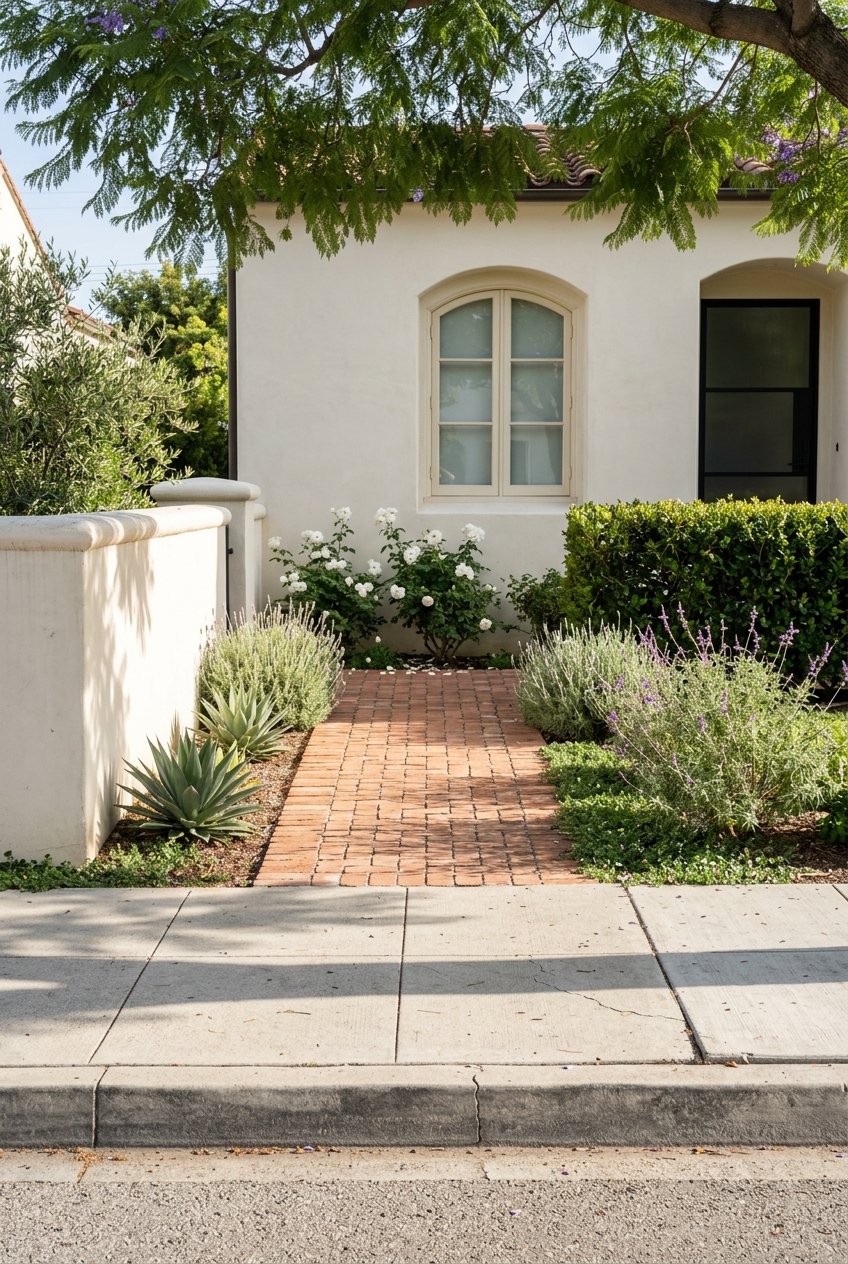
That layout helps create the feeling of space many buyers are looking for. In Hope Ranch, privacy often comes from lot placement, landscaping, setbacks, and careful site planning rather than complete isolation from the rest of Santa Barbara.
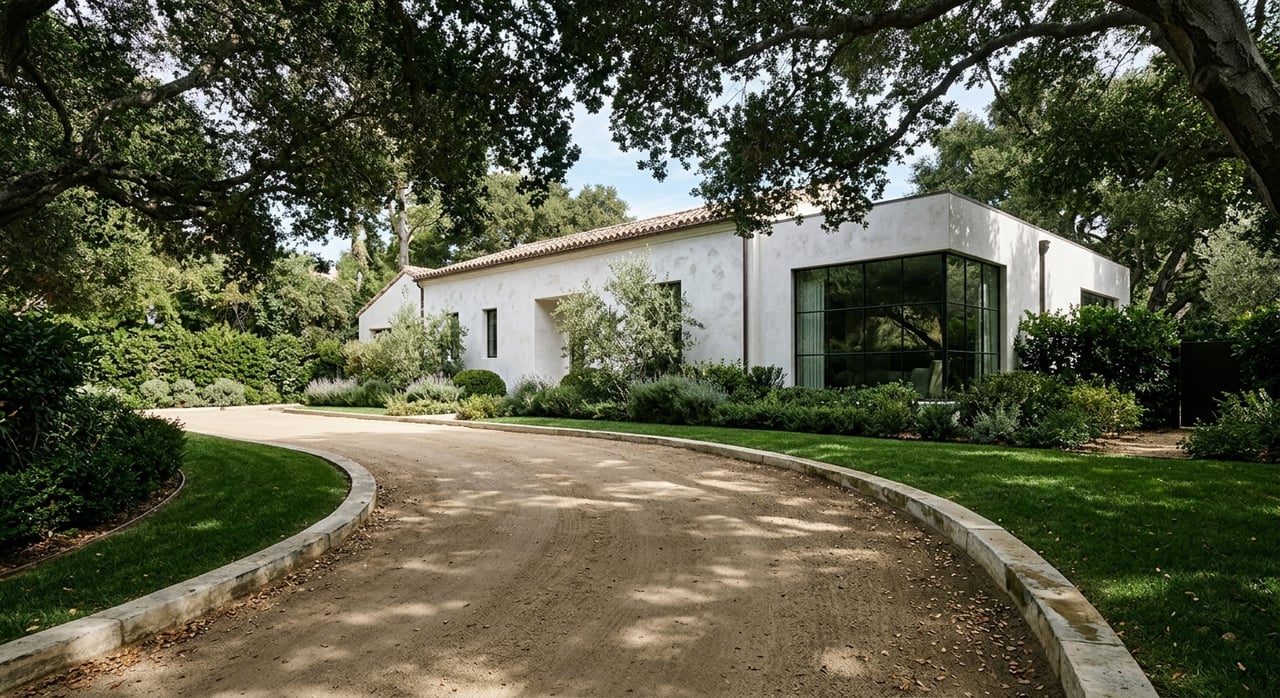
The building guidelines reinforce that goal. They favor low-profile design, preservation of natural landforms and view corridors, and screening of accessory structures away from neighboring homes.
A coastal lifestyle with structure
Hope Ranch is known for its private beach park, but access is managed carefully. Beach use is limited to members, certain tenants, registered guests, and resident employees with recreation cards, and the Board sets annual card allocations.
That means the beach experience comes with clear rules rather than open public access. Parking and guest use are closely managed, and seasonal hours shift throughout the year, with longer summer hours and shorter winter hours.
For buyers, this is an important distinction. The appeal is not just proximity to the coast, but access within a private, actively managed community framework.
Horses, trails, and slower roads
Equestrian use is part of Hope Ranch’s identity, not an afterthought. The rules describe the community as a pedestrian and equestrian environment, and that affects how roads and trails are used day to day.
Motor vehicles are limited on bridle trails, and some trails between private properties are horse-only for privacy and security. Guest riders must be invited and accompanied by a host member, which reflects how carefully access is handled across the community.
The road system also follows that slower pace. Association roads have a 25 mph speed limit, overnight parking on those roads is prohibited, and drivers are instructed to slow down even more when horses or pedestrians are present because of blind spots and corners.
If you are moving from a more conventional neighborhood, this is one of the clearest lifestyle differences. Traffic patterns are quieter and more deliberate, and daily movement through the Ranch tends to feel calmer and more measured.
What homes in Hope Ranch often include
Hope Ranch offers a broad range of estate-style property features within a single-family framework. Depending on the property, you may encounter main residences, garages, guest houses, studios, basements, stables, barns, corrals, paddocks, pool houses, and game courts.
That variety can give buyers flexibility, especially if you are looking for space for hobbies, equestrian use, or separate structures that support how you live. At the same time, the community guidelines are clear that residences are intended for single-family use, and second units are generally not permitted except as required by state law.
This balance is part of what defines Hope Ranch. Properties can be expansive, but they are still shaped by a consistent set of design and use standards.
Design review matters here
In Hope Ranch, architectural review is a meaningful part of ownership. Exterior changes are not just a matter of personal taste, because the building guidelines are designed to protect the broader setting and the privacy of neighboring properties.
The guidelines support low-profile homes and the preservation of mature landscaping and natural features. They also call for minimizing the removal of mature trees, including protected Coast Live Oaks above certain size thresholds.
Accessory structures are expected to be screened, and garage doors generally are not intended to be visible from the street. For buyers considering renovations or long-term property improvements, it is wise to understand early which changes may require HOA review.
The architectural character stays consistent
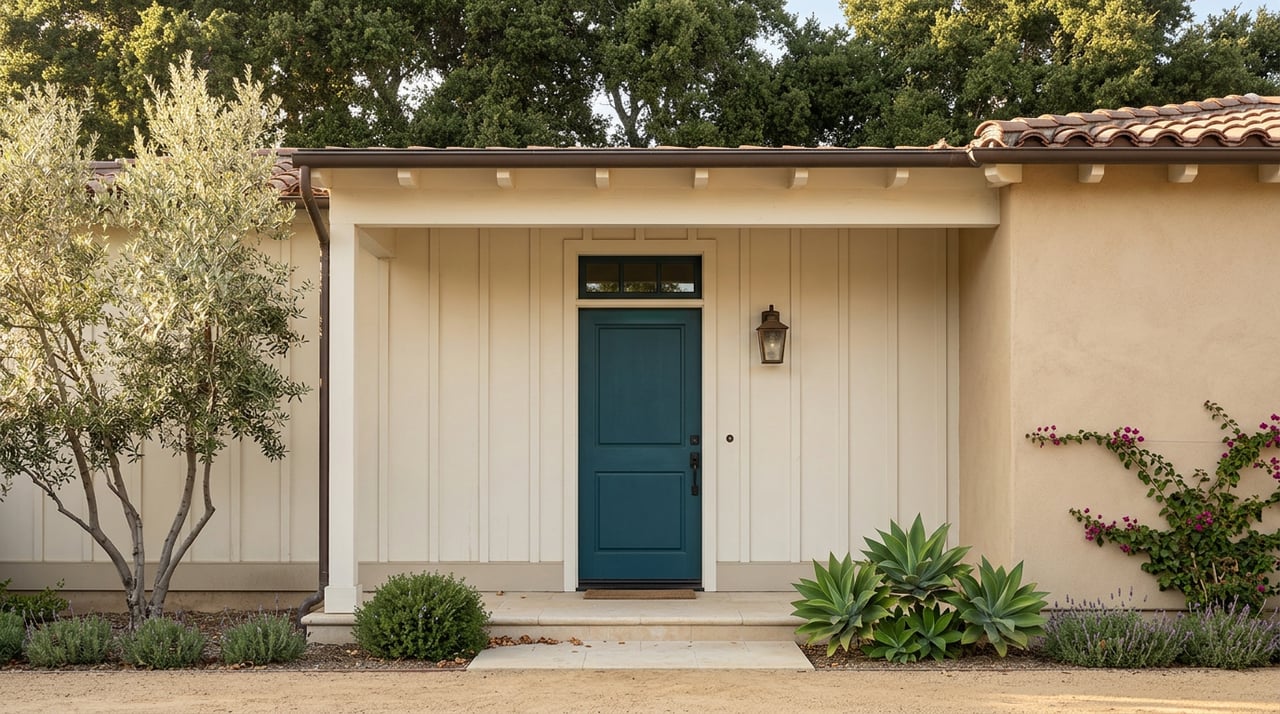
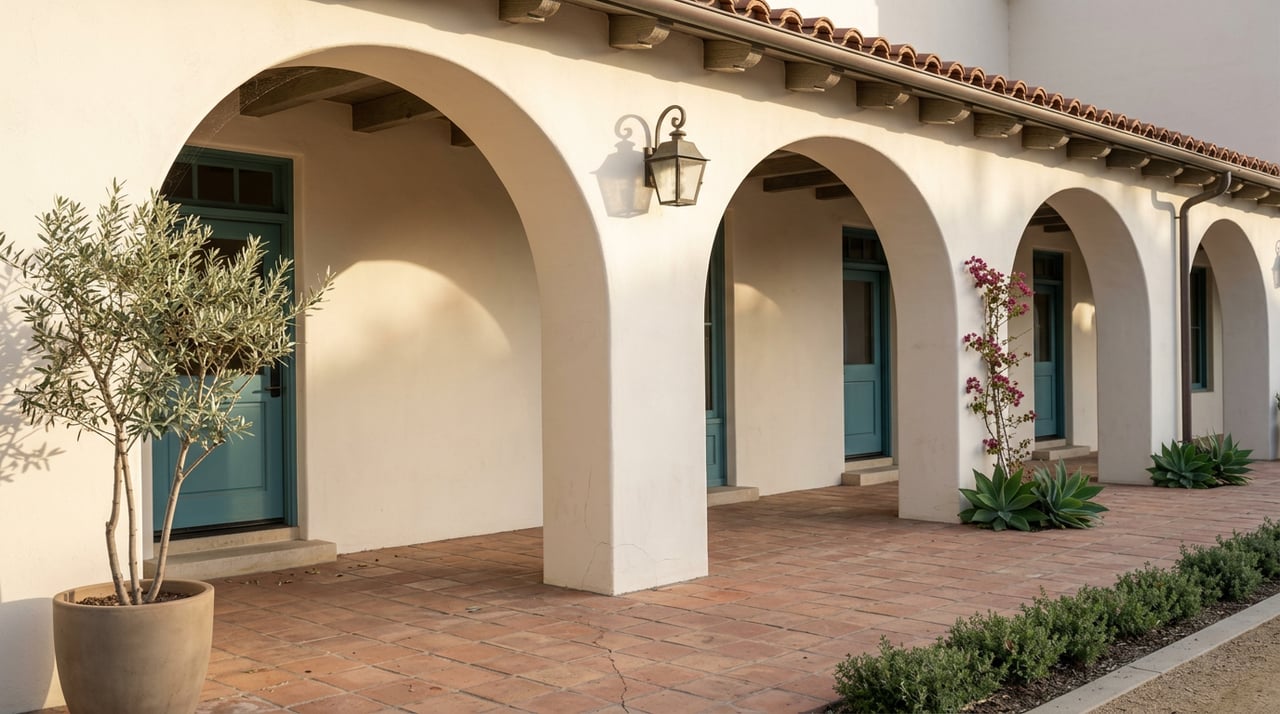
While Hope Ranch includes some design variety, the overall architectural palette remains relatively stable. Traditional Ranch and Spanish styles continue to dominate, though other styles have gained acceptance over time.
This consistency contributes to the area’s visual calm. Instead of abrupt shifts from one property to the next, the built environment tends to feel cohesive and grounded in the landscape.
For many buyers, that predictability is part of the appeal. It helps protect the setting and supports the understated quality that Hope Ranch is known for.
You stay connected to Santa Barbara
Although Hope Ranch feels sheltered and private, it is not cut off from the rest of the South Coast. State housing data places it among Santa Barbara County’s unincorporated south-coast communities, and its location between the ocean and Highway 101 helps keep the broader area accessible.
A local cycling guide routes riders from the Santa Barbara Train Station through downtown, Stearns Wharf, the Mesa, Hendry’s Beach, and into Hope Ranch. That route suggests how closely tied the community remains to Santa Barbara’s waterfront and downtown corridor.
For you as a buyer, this can be one of the biggest advantages. You can enjoy a more private residential setting while staying connected to the city’s shoreline, cultural core, and everyday conveniences.
Questions to ask before you buy
Because Hope Ranch operates within a strong association structure, buyers often benefit from asking practical questions early. The most useful questions usually relate to how the property functions day to day, not just how it looks during a showing.
Here are a few smart points to clarify:
- How does beach access apply to this property and household?
- How much privacy do the lot placement and landscaping actually create?
- Are horses or pedestrians commonly present on the roads near the home?
- Which exterior changes or additions would require HOA review?
- Are there existing features such as guest houses, barns, or paddocks that affect future plans for the property?
These details can shape your experience as much as square footage or views. In a community like Hope Ranch, lifestyle fit often comes down to understanding the rules and rhythms behind the setting.
Why Hope Ranch appeals to privacy-minded buyers
Hope Ranch offers a specific kind of coastal living. It is not centered on density, nightlife, or constant activity. Instead, it offers space, controlled access, slower roads, equestrian features, and a design framework intended to preserve both the land and a sense of separation.
For buyers who value privacy and a more measured daily pace, that combination can be compelling. You are close to Santa Barbara, but the experience of coming home can feel notably quieter and more protected.
If you are exploring Hope Ranch, it helps to work with an advisor who understands both the lifestyle and the practical details that come with ownership in a closely governed community. For discreet guidance on Hope Ranch and nearby coastal markets, connect with Grubb Campbell Real Estate.
FAQs
What is Hope Ranch in Santa Barbara County?
- Hope Ranch is a 1,863-acre community of 773 lots in southeastern Santa Barbara County, located between Highway 101 and the ocean and governed by a long-standing homeowners association.
How does private beach access work in Hope Ranch?
- Beach access in Hope Ranch is limited to members, certain tenants, registered guests, and resident employees with recreation cards, with guest use, parking, and seasonal hours managed by the association.
Are Hope Ranch roads shared with horses and pedestrians?
- Yes. Hope Ranch is described in the rules as a pedestrian and equestrian community, and drivers are expected to use extra care because horses and pedestrians may be present on roads and trails.
What kinds of properties and structures are common in Hope Ranch?
- Buyers may find main residences, garages, guest houses, studios, basements, stables, barns, corrals, paddocks, pool houses, and game courts, all within a single-family residential framework.
Do exterior changes in Hope Ranch require review?
- Many exterior changes may require HOA review because the building guidelines address design, screening, tree preservation, view corridors, and how structures relate to neighboring properties.
Is Hope Ranch close to downtown Santa Barbara?
- Yes. Hope Ranch remains connected to the broader Santa Barbara shoreline and city core, even though it feels private and low density.