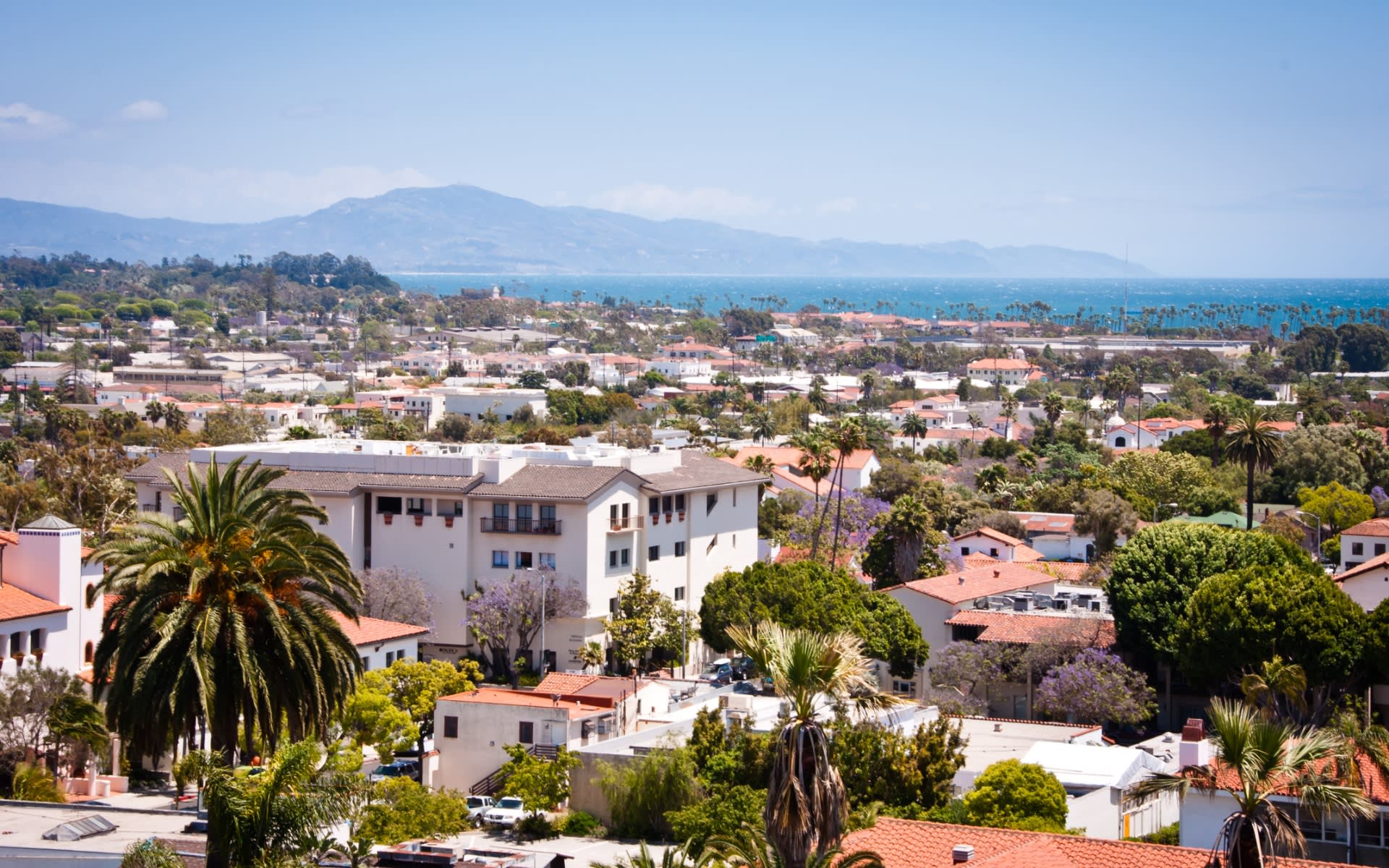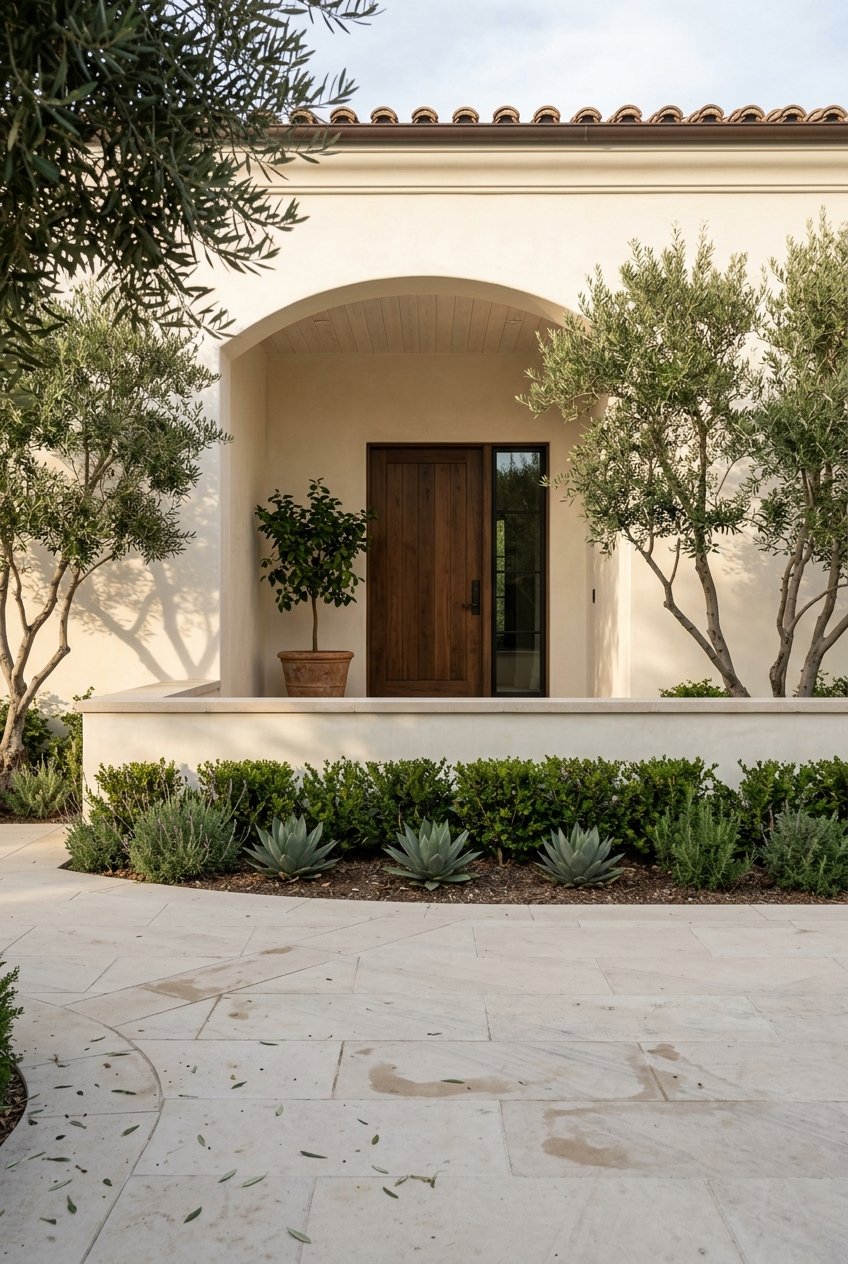
When you are handling an estate property in Montecito, privacy often matters just as much as price. You may be balancing family responsibilities, legal paperwork, timing questions, and the desire to protect a home’s dignity throughout the sale. The good news is that a discreet estate sale can still be well planned, well presented, and well positioned to protect value. Let’s walk through what that looks like in Montecito.
Why discretion matters in Montecito
Montecito is a small, high-value market where details matter. As of late April 2026, public market portals showed Montecito home values and pricing firmly in the luxury range, with average or median figures generally landing between about $5.6 million and $7.0 million, depending on the source and methodology. Those same portals also reflected relatively limited inventory and a market where time on market can still matter.
In a setting like this, an estate sale is rarely just a standard listing. You may be representing family interests, acting as a trustee or executor, or coordinating with professionals while trying to avoid unnecessary exposure. That is why a discreet plan should focus on two goals at once: protecting privacy and preserving market appeal.
Start with authority before marketing
Before you think about launch timing, photography, or showings, confirm who has legal authority to act. In California, whether a Montecito estate property must go through probate depends on how title is held and whether the property transfers through a living trust, a Transfer on Death deed, or another nonprobate route.
If probate is required, the court appoints a personal representative. When there is a will, that person is usually the executor named in the document. The key authority documents are Letters Testamentary or Letters of Administration, which show who is officially authorized to act for the estate.
This step matters because a sale strategy should not get ahead of the legal process. If the decedent lived outside California but owned real estate in Montecito, the probate filing is made in the California county where the property is located, which means Santa Barbara County becomes especially important for out-of-area families.
Understand the timeline early
One of the biggest sources of stress in an estate sale is uncertainty around timing. A property may be physically ready to sell before the estate is fully administered, but the legal process may still continue in the background.
California Courts says a formal probate case typically takes 9 to 18 months or longer. During that time, the personal representative may need to open the case, inventory and value estate assets, notify creditors, file tax returns, and later close the estate with court oversight.
That does not always mean you must wait until the entire estate is wrapped up before moving forward with a sale. In many cases, a home can be sold while the estate remains open if the representative has the proper authority and follows the required notice and reporting structure. Still, understanding the timeline upfront helps you make better decisions about pricing, preparation, and family expectations.
Build a discreet estate sale plan
A smooth Montecito estate sale usually starts with coordination, not marketing. When multiple people are involved, a clear sequence can reduce confusion and help you protect both value and privacy.
1. Gather documents and advisers
Start with the will, trust documents, title information, and any court-issued authority documents. If needed, coordinate with an estate attorney or tax professional early so questions are addressed before they become delays.
California Courts notes that a personal representative may consult a lawyer even while continuing to represent themselves. That flexibility can help families get clarity on next steps without losing momentum.
2. Establish value before pricing
Estate sales often carry emotional weight, and that can make pricing harder than expected. In probate matters, California Courts points to the importance of inventory and date-of-death value, and says a probate referee is usually contacted for noncash assets.
For a Montecito property, this makes the pricing conversation more evidence-based. In a luxury market with relatively few listings, careful valuation helps you avoid both underpricing and the risks of launching too high.
3. Prepare the home with restraint
Discreet does not mean underprepared. Presentation still matters, especially in a high-value market where buyers often respond strongly to condition, visual clarity, and overall impression.
Thoughtful decluttering, depersonalizing, and selective staging can support a more polished launch without turning the process into a public spectacle. National staging research cited in the report found that 83% of buyers’ agents said staging helps buyers visualize a property, 29% said it increased the dollar value offered by 1% to 10%, and 49% of sellers’ agents said it reduced time on market.
In practice, that often means focusing on what helps buyers see the home itself. Clean sightlines, repaired cosmetic issues, and a calm presentation can go a long way.
4. Control access carefully
In Montecito, controlled access is often a practical part of protecting privacy. For many estate sales, that can mean appointment-only showings, limited distribution of photos and property details, and a more deliberate communication plan.
This is not about hiding the property from qualified buyers. It is about creating a process that respects the family, the home, and the realities of a small luxury market where exposure should be intentional.
5. Address tax and title issues before closing
A sale price is only part of the story. Santa Barbara County’s assessor notes that Proposition 19 changed prior parent-child and grandparent-grandchild reassessment exclusions effective February 16, 2021, which means inherited property may carry different property-tax consequences than some families expect.
That is why it is wise to review reassessment questions, possible exemptions, and related tax implications early. Doing that before closing helps you form a more accurate picture of likely net proceeds and reduces surprises late in the process.
Presentation still protects value
Some families worry that a private sale approach means sacrificing price. In reality, discretion and strong presentation can work together when the process is designed well.
Montecito’s inventory is limited, and buyers in this market are often highly selective. Even if exposure is more controlled, the home still benefits from accurate pricing, polished preparation, and a marketing approach that reaches the right audience rather than the widest possible audience.
That is especially important in estate situations, where the goal is often not speed alone. You may be trying to honor a legacy, reduce family stress, and make sure the property is represented with care.
What makes estate sales more complex
A Montecito estate sale sits at the intersection of market strategy and legal authority. That is part of what makes these transactions different from a typical sale.
You may be working through questions like:
- Does the property pass through probate or outside of it?
- Who has authority to sign sale documents?
- Has the property been valued correctly for estate purposes?
- What notices or reporting steps still apply while the estate is open?
- Are there reassessment or other property-tax issues to review before closing?
When those pieces are handled in the right order, the process tends to feel far more manageable. Instead of reacting to problems, you can move through the sale with a clearer plan.
A calm approach for Montecito families
If you are planning an estate sale in Montecito, the most effective first step is usually not public marketing. It is organizing the legal, valuation, preparation, and privacy pieces so the sale can move forward with confidence.
In a market where homes are often worth several million dollars and inventory remains relatively limited, thoughtful execution matters. A discreet sale does not mean doing less. It means doing the right things in the right order, with care for both the transaction and the people involved.
When you need steady guidance through a trustee, probate, or estate property sale, Grubb Campbell Real Estate offers discreet local representation rooted in Montecito market knowledge, polished presentation, and thoughtful transaction management.
FAQs
Do I need probate to sell an estate property in Montecito?
- Not always. It depends on how title is held and whether the property transfers through probate or by a nonprobate route such as a living trust or Transfer on Death deed.
Can a Montecito house be sold while the estate is still open?
- Often, yes. If the personal representative has proper authority, a sale may proceed while the estate remains open, though inventory, creditor notice, tax, and reporting steps may still continue.
How long does probate take for a Montecito estate property?
- A formal probate case in California typically takes 9 to 18 months or longer, depending on the estate and court process.
Why does valuation matter so much in a Montecito estate sale?
- Montecito is a high-value market with limited inventory, so pricing should be based on evidence, including estate valuation requirements and current market conditions, rather than emotion alone.
What does a discreet estate sale process usually include in Montecito?
- It often includes confirming authority to act, organizing key documents, establishing value, preparing the home selectively, controlling showing access, and reviewing tax and title questions before closing.