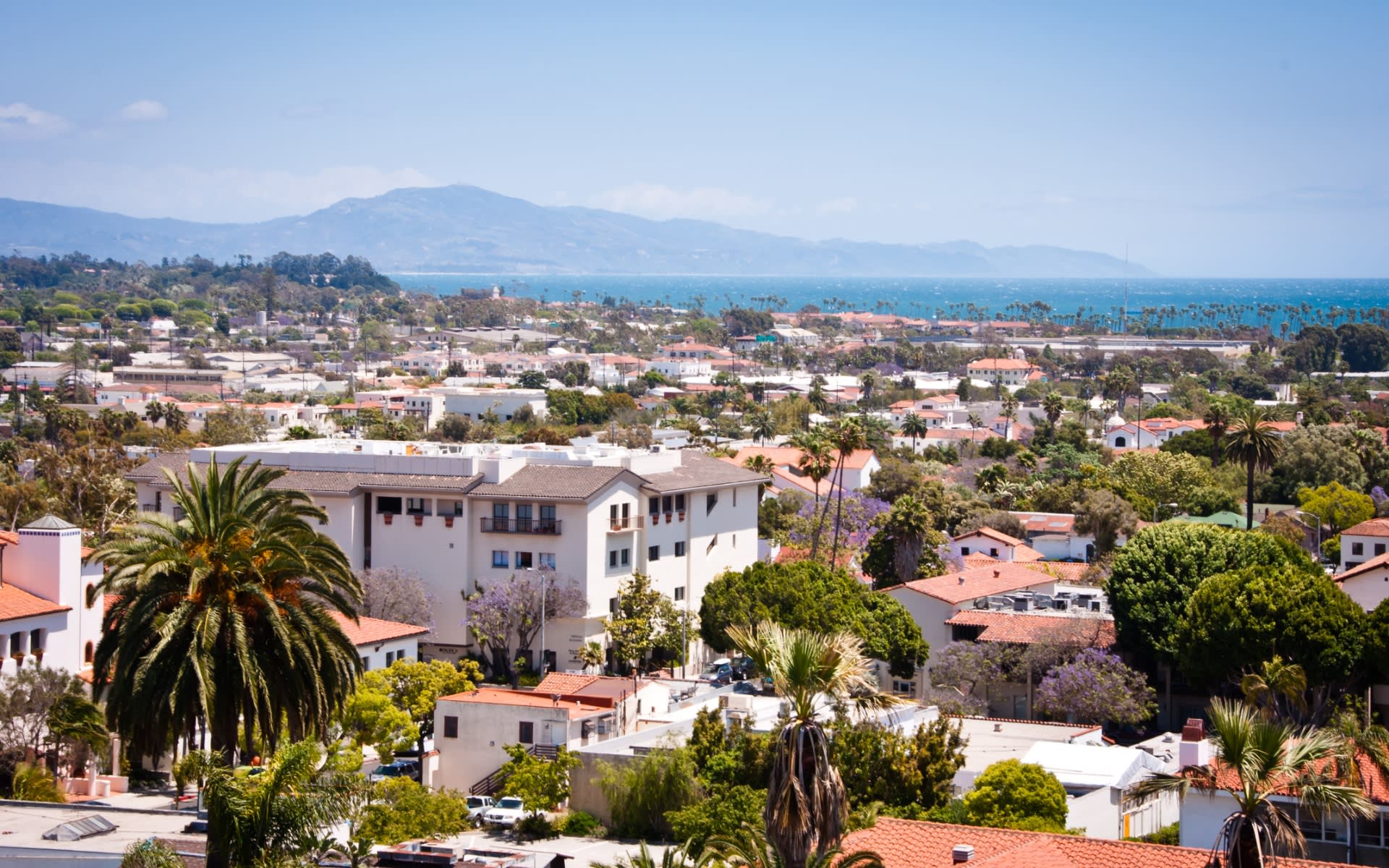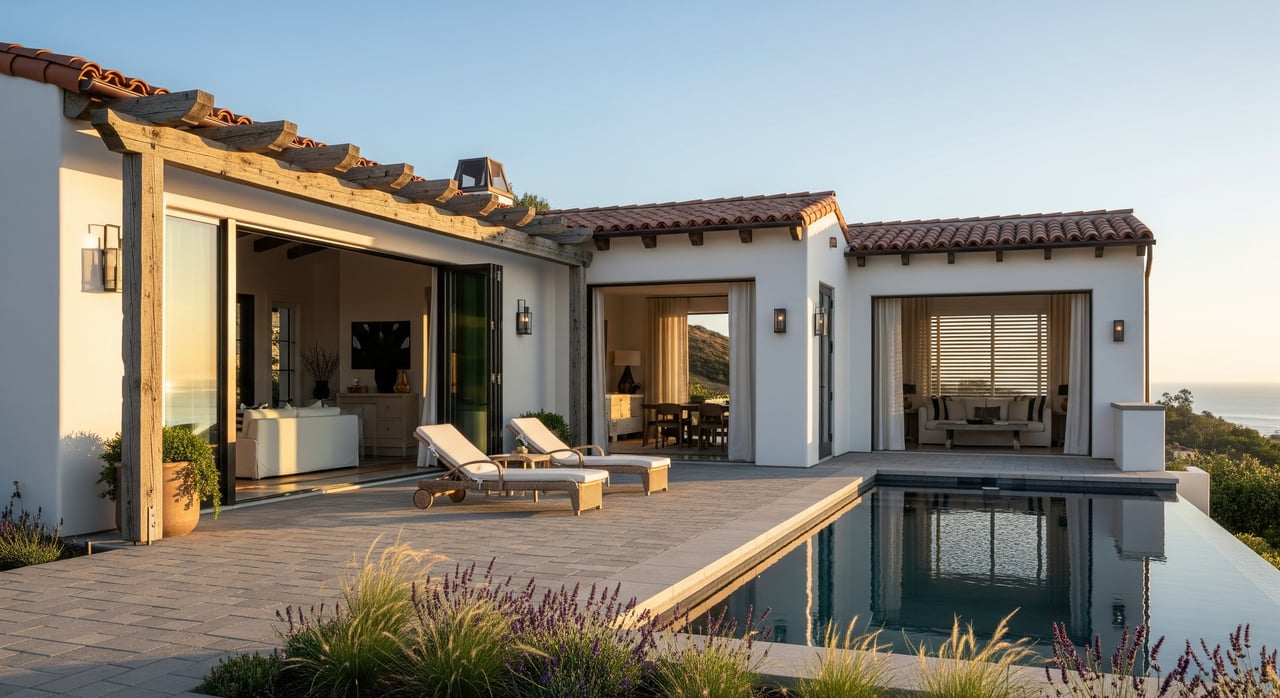
If you love the idea of waking up to ocean light, feeling a steady breeze on your deck, and settling into a home that feels tucked away, the Riviera may be your match. Hillside living above Santa Barbara offers a rare mix of views and privacy, but the details matter. Orientation, elevation, wind, and the slope around you all shape how a property lives day to day. In this guide, you’ll learn how these factors work together, what tradeoffs to expect, and the inspections that protect your investment. Let’s dive in.
The Riviera hillside setting
The Riviera rises along the south and southwest-facing foothills above central Santa Barbara. Streets can be steep, parcels vary, and many lots step down the hillside with terraces and retaining walls. This topography creates dramatic sightlines toward the ocean, the Channel Islands, and downtown.
Elevation plays a key role. Many homes sit several hundred feet above the coastal plain, which can place you above the morning marine layer on certain days. That often means more consistent sun and clearer views than properties at lower elevations. Microclimates shift quickly here, so two houses on the same block can feel different based on slope angle, nearby ridgelines, and canyon channels.
Local agencies guide hillside design to protect safety and the landscape. City planning, grading, and design review focus on slope stability and neighborhood character. Fire agencies outline defensible space standards for homes in the wildland-urban interface, which includes much of the Riviera.
Light by orientation and elevation
How your home faces the sun is one of the biggest drivers of daily comfort. On the Riviera, aspect and height above the marine layer work together.
South and southwest exposure
Homes on south or southwest slopes enjoy long arcs of daylight, especially in winter. You get strong midday and afternoon light, which can feel warm and inviting. This is ideal for living rooms, kitchens, and decks where you spend time later in the day.
West-facing rooms
West-facing rooms capture late-afternoon glow and sunset color. The tradeoff is summer heat gain if shading and ventilation are limited. Consider overhangs, operable shades, and light exterior finishes to keep interiors comfortable.
East-facing spaces
East-facing spaces shine in the morning, then stay cooler in the late afternoon. If you prefer gentle morning light in bedrooms or breakfast nooks, this orientation can be a plus. It also reduces late-day glare on work spaces.
North-facing slopes
North-facing slopes receive the least direct sun. Interiors tend to be cooler and may need more artificial lighting. If you value a softer, even light profile and reduced heat gain, this can still be a good fit with the right window placement.
Elevation and the marine layer
In late spring and summer, a coastal marine layer often brings morning low clouds or fog over the plain. Many Riviera homes sit above that layer and can see sun earlier in the day. It varies by season and weather pattern, so some mornings will still be foggy on the hill and some summers stay very clear. Elevation does not guarantee a view or early sun, but it improves the odds.
Wind and microclimate
Wind influences comfort on terraces, window performance, and even maintenance. On the Riviera, you will feel both gentle sea breezes and, at times, stronger downslope winds.
Daytime sea breezes
Santa Barbara benefits from onshore flow that moves from the ocean inland. Elevated lots catch these breezes and can enjoy natural cross-ventilation, reducing the need for mechanical cooling. Window placement and venting strategies make a big difference in how well you harness this airflow.
Sundowner winds
Under certain patterns, warm and dry winds descend from the mountains toward the coast in late afternoon and evening. Locally called sundowners, these downslope winds can be gusty on exposed ridges and north or northeast-facing drainage paths. They raise fire risk during episodes and can make decks less comfortable when they’re active.
What wind means for daily life
- Stronger wind exposure can increase wear on exterior finishes, screens, and rooftop equipment.
- If windows and doors are not well sealed, wind can drive heat loss in winter and heat gain in summer.
- Trees on exposed slopes need regular care to reduce limb drop and debris during gusty periods.
Thoughtful choices such as wind-rated windows and anchored rooftop gear help preserve comfort and durability.
Privacy and sightlines
Privacy on a hillside is shaped by who is above and who is below. Sightlines are not always obvious from the curb, so walking the lot edges and looking back at the home is essential.
Up-slope vs down-slope neighbors
Homes higher on the slope naturally look over properties below. If you are downhill from a neighbor, windows, decks, and balconies above may have direct views into your yard or rooms. If you are uphill, you often enjoy stronger privacy from the street and lower parcels, while remaining more visible from adjacent uphill lots.
Design and landscape strategies
- Use window placement to frame views while avoiding direct lines into a neighbor’s living spaces. Clerestory or frosted glass can protect privacy in bathrooms and stairwells.
- Layer landscaping with hedges, trellises, and selective tree placement to screen key angles. Be aware that thick plantings can shade solar panels or reduce views.
- Balance privacy with defensible-space requirements. Lush screens are appealing, but vegetation must be managed in fire-prone zones.
Noise on a slope
Sound can travel downslope and feel amplified. Retaining walls, fences, and strategic planting can soften certain noise, though results vary. Pay attention to mechanical equipment placement and consider upgrades that reduce sound transmission toward neighbors.
Permits and view considerations
Privacy improvements that change grade or add structures, like tall fences or retaining walls, usually need permits. Some parcels include easements, view covenants, or design restrictions. Review records before you plan screening that could affect view corridors or public sightlines.
Common tradeoffs in Riviera view homes
Every hillside home asks for a balance. Here are the choices you will likely weigh:
- Light vs privacy. Southern and western exposures bring the best daylight, but they may make the home more visible from below and the street. East-facing layouts protect evening privacy but reduce afternoon sun.
- Views vs maintenance. Big views often come with steep driveways, more retaining walls, and more complex drainage. That can increase upkeep and insurance considerations.
- Exposure vs comfort. Ridge-top or windward locations get better airflow, which reduces cooling needs, but they can be gusty and dusty. Sheltered lots are calmer but can feel stuffier in summer.
- Landscaping vs fire safety. Dense screens provide privacy but must comply with defensible-space rules. Prune and select plantings to manage ember risk while preserving privacy.
- Solar potential vs shading. Elevated, south-facing roofs are ideal for solar, yet trees or nearby structures can shade panels. Wind loading also affects mounting choices.
Essential inspections and records
Focused due diligence protects value on the Riviera. Consider the following reviews for hillside properties:
- Structural and foundation inspection. Verify foundation type, condition of piers and footings, and any signs of movement or repairs. Engage a licensed structural engineer if concerns arise.
- Geotechnical or soils report. For sloped sites or lots with repair history, ask for an evaluation of slope stability, subsurface conditions, setbacks, drainage design, and monitoring recommendations.
- Retaining wall inspection and permits. Confirm engineering and permits for retaining walls. Look for cracking, tilting, bulging, functional weep holes, and recent repair records.
- Drainage and grading assessment. Trace how water moves across the site. Check downspouts, swales, French drains, terraces, and any erosion. Poor drainage is a leading source of slope and foundation issues.
- Roof and exterior envelope review. Inspect roofing, wall flashings, chimney flashings, and window seals. In exposed locations, wind-rated windows and doors add resilience.
- Vegetation, tree, and defensible-space review. Assess tree health and spacing, identify fuel ladders, and confirm compliance with local vegetation standards. Keep records of mitigation work.
- Pest and termite inspection. Decks, wood retaining elements, and proximity to native vegetation can invite wood-destroying pests.
- Hazard and insurance check. Review fire hazard designations, evacuation access, and insurance availability for wildfire coverage.
- Sewer vs septic verification. Confirm connection type and understand maintenance expectations if a system is on site.
Key questions to ask inspectors
- Is there evidence of active or prior slope movement, and was remediation or monitoring completed?
- Was fill used on the lot, and if so, was it engineered and tested?
- Are retaining walls engineered, permitted, and performing as designed?
- Do surface and subsurface drains divert water away from structures and slopes?
- Are there signs of groundwater seepage or seasonal high water tables?
- What wildfire mitigations are recommended for this site?
- Will planned changes, like expanding a deck or adding a pool, be feasible given slope and setback constraints?
Where to check records and maps
- City of Santa Barbara Planning and Building Department for hillside design guidelines, grading permits, and permit history.
- Cal Fire for fire hazard severity zones and defensible space guidance.
- California Geological Survey and USGS for landslide, seismic, and fault-zone maps.
- Santa Barbara County Public Works and Flood Control for drainage and grading policies.
- Local fire departments for route planning and site access review.
How to tour a Riviera home
Use your showings to test light, wind, and privacy in real time:
- Visit at multiple times of day. Check morning sun, midday brightness, and sunset light. Note the marine layer and when it clears.
- Tour on a breezy day if possible. Feel how wind affects decks and indoor comfort when windows are open.
- Walk the lot edges. Look back at the house from different angles to understand who can see in.
- Confirm room orientation. Note where the living room, kitchen, and main suite sit in relation to the sun and view corridors.
- Evaluate driveways and parking. Steepness affects daily convenience, guest access, and service deliveries.
- Request records. Ask for geotechnical reports, retaining wall permits, drainage improvements, slope repairs, and any prior insurance claims related to water or slope movement.
- Check for unpermitted work. Unpermitted grading or walls are common red flags on slopes.
- Schedule specialized inspections before waiving contingencies. On a hillside, targeted expertise is worth the time.
The bottom line
Riviera view homes offer a compelling mix of light, breeze, and privacy. The same features that make them special also call for careful evaluation of orientation, wind exposure, drainage, and slope stability. With the right due diligence and a clear view of the tradeoffs, you can secure a home that lives beautifully all year.
If you are considering a move on the Riviera, we would be honored to guide you. For discreet, detail‑driven buyer or seller representation, connect with Grubb Campbell Real Estate. Schedule a Confidential Consultation.
FAQs
How does the marine layer affect Riviera views?
- Many Riviera homes sit above the morning marine layer during late spring and summer, which can bring earlier sun and clearer views, though conditions vary by season and day.
What are sundowner winds in Santa Barbara?
- Sundowner winds are warm, dry downslope winds that can occur in late afternoon and evening; they may be gusty on exposed slopes, affect deck comfort, and increase fire risk during events.
Which inspections matter most for a Riviera hillside home?
- Prioritize a structural and foundation review, a geotechnical or soils report, retaining wall permits and condition, drainage assessment, wildfire and vegetation review, and a pest inspection.
How can you balance privacy and views in a hillside setting?
- Use thoughtful window placement, selective screening with hedges and trellises, and mindful deck orientation to preserve view corridors while limiting direct sightlines into living areas.
Are permits needed for retaining walls or grading on the Riviera?
- Significant retaining walls, grading, or structures that alter slopes typically require engineering and permits; always confirm city records, easements, and design restrictions before starting work.