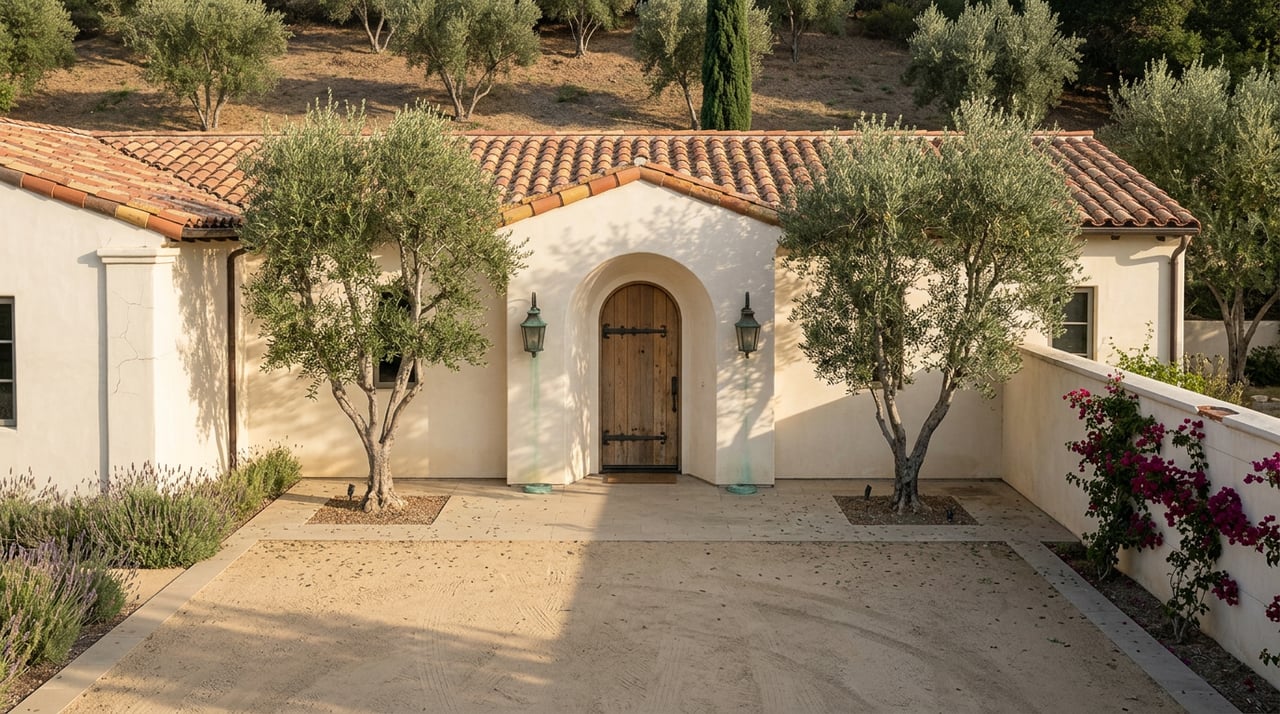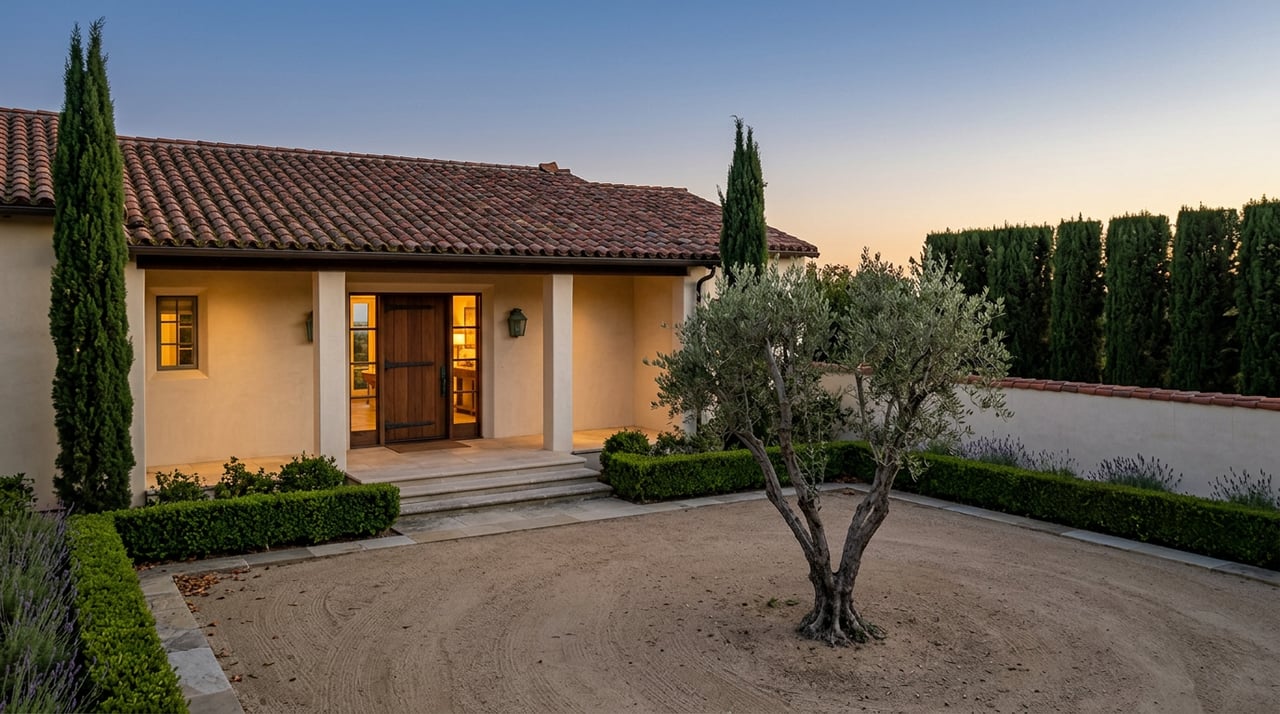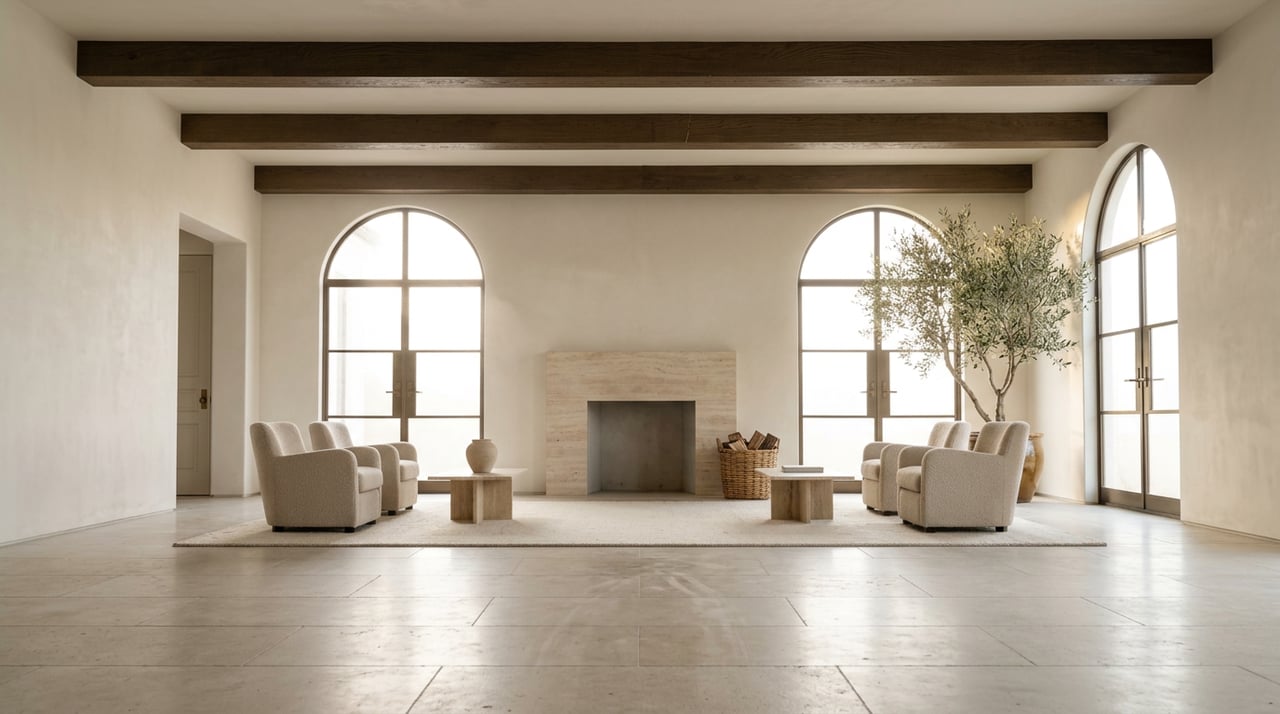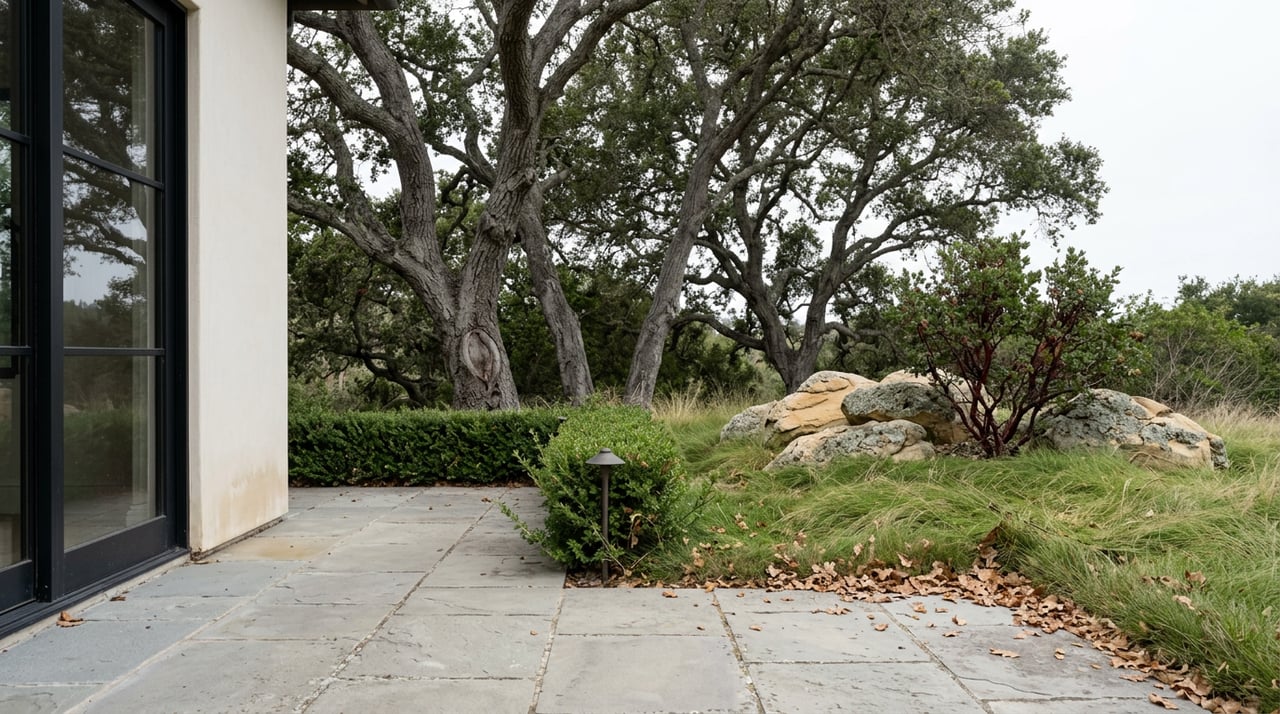
Buying in San Roque is not just about what a home looks like today. It is also about how the neighborhood is likely to function over time. If you are thinking in decades, San Roque stands out for its established layout, varied early-to-mid-20th-century homes, and the simple fact that it is largely built out. That combination can make it especially appealing for buyers who value long-term ownership and are comfortable caring for a mature property. Let’s dive in.
Why San Roque Fits Long-Term Thinking
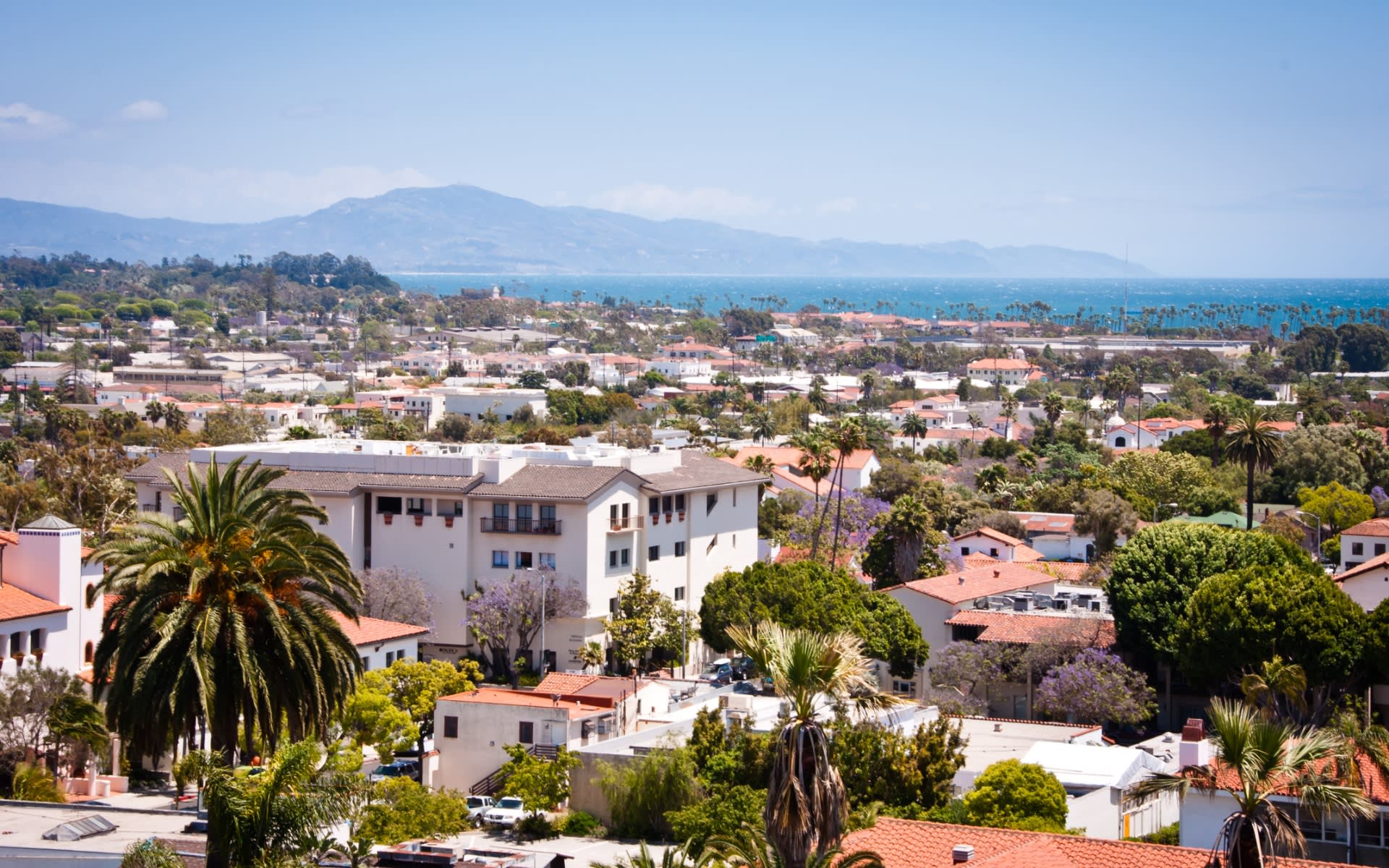
San Roque is an established Santa Barbara neighborhood with a fixed residential pattern, not an area waiting for large-scale new subdivision. The City describes it as a 273-acre neighborhood with 977 existing dwelling units, bordered by Foothill Road, commercial development above State Street, San Roque Road, and Arroyo Burro Creek. For a long-term owner, that matters because the neighborhood’s character comes from what is already there.
The City’s 2026 historic survey says San Roque developed mainly from the 1920s through World War II. It also notes that the area is largely built out, with more recent change coming mostly through additions, ADUs, JADUs, and alterations to existing homes. In practical terms, you are usually buying into an established fabric rather than betting on future master-planned growth.
That kind of stability often appeals to buyers who want a neighborhood with a settled identity. San Roque’s wide streets, large lots, and mature landscaping all contribute to that feeling. Over time, those traits can help support lasting appeal, even though no one can promise future appreciation.
San Roque’s Residential Fabric Matters
One reason San Roque holds attention over time is that its neighborhood pattern is difficult to replicate. The area is already built out, and the City has identified increasing redevelopment pressure because Santa Barbara is almost fully developed. When supply is naturally constrained, buyers often focus more carefully on location, lot characteristics, and the quality of the existing home.
This does not mean ownership is effortless. It means the value proposition is different. In San Roque, long-term appeal often comes from central placement, established surroundings, and a home that can be improved thoughtfully over time.
The neighborhood also has recognizable community anchors. The City survey specifically mentions San Roque Catholic Church and Peabody School as non-residential landmarks within the area. These kinds of established reference points can reinforce a neighborhood’s sense of continuity without changing its primarily residential character.
Architecture Supports Lasting Appeal
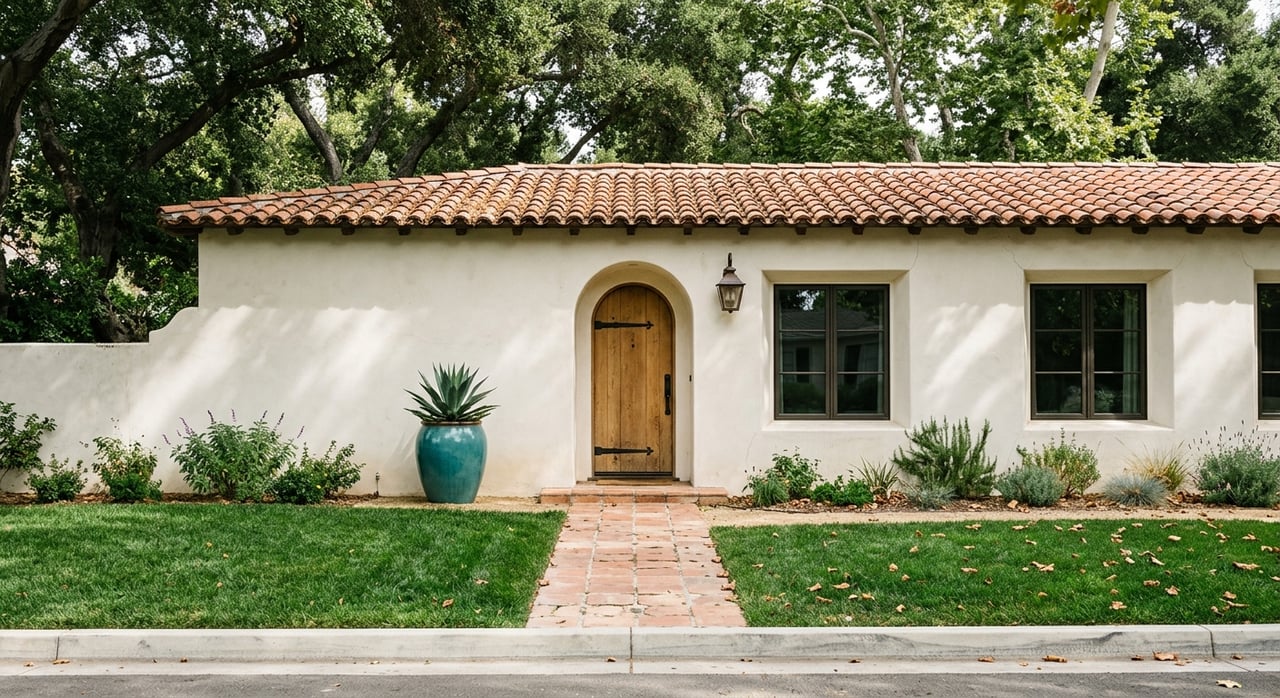
San Roque feels cohesive from the street, but it is not uniform. According to the City survey, the original neighborhood core includes Craftsman, Spanish Colonial Revival, English Vernacular, and Tudor Revival homes, along with Small House movement examples and later Minimal Traditional homes. That mix gives the area visual interest without the repetitive feel of a single-style tract.
For you as a buyer, this means two homes on the same street may have very different ownership profiles. One may be close to original condition, while another may have significant additions, interior upgrades, or altered lot use. The street scene can feel consistent, but the details often vary more than first impressions suggest.
That is important when you are evaluating a long-term hold. The neighborhood’s appeal is not based on uniform new construction. It is based on a mature collection of homes shaped by different eras, different remodel cycles, and different levels of preservation.
Built-Out Neighborhoods Can Create Scarcity
A long-term-hold conversation in San Roque should be grounded in supply, not speculation. The broader Santa Barbara market data in the research report shows a relatively tight environment, with Santa Barbara city at 1.7 months of inventory in December 2025 and the South Coast houses/PUD market at 2.9 months. Those figures support the idea of constrained supply.
The same report notes a Zillow San Roque home value index of $2,250,158 as of March 31, 2026, down 0.8% year over year. That is a useful reminder that even desirable neighborhoods do not move in a straight line. The stronger takeaway is that San Roque sits within a high-value market where limited supply and persistent buyer interest shape the landscape.
If you are considering San Roque as a long-term holding, the more balanced view is this: the neighborhood benefits from scarcity, but ownership results still depend on the specific property, timing, condition, and how well the home is maintained.
What Long-Term Buyers Should Evaluate First
In a neighborhood with many older homes, your due diligence should go beyond finishes and floor plans. The City’s survey covers properties 45 years and older, including homes built in 1980 or earlier, so a large share of San Roque falls into an age bracket where review, maintenance, and preservation issues can matter.
A smart long-term review often starts with a few key questions:
- Is the home more than 50 years old?
- Have window or exterior-opening changes been properly permitted?
- Are the roof, HVAC system, or water heater near replacement?
- Are there original materials worth preserving?
- Is the parcel located in a mapped fire-hazard area?
These are not minor details. In an established neighborhood, they can shape both your ownership costs and your renovation timeline.
Permits and Windows Deserve Extra Attention
Santa Barbara has specific local rules that matter in San Roque. The City requires permits for all window replacements, even like-for-like work. If a house is more than 50 years old, the City’s Architectural Historian must evaluate the application before approval.
That makes window work more than a cosmetic decision. It is part of the ownership process, especially if you are buying an older home with original materials. The City also notes that original wood windows, when maintained, can last centuries, while vinyl windows generally last 10 to 20 years.
Before you buy, it helps to understand what has been replaced, what remains original, and whether prior work was documented properly. That information can affect your future maintenance plan and your renovation options.
Maintenance Is Part of the Investment
A San Roque home can be rewarding to own over time, but mature properties require consistent attention. If you are thinking in decades, maintenance should be part of your buying decision from the start.
For major systems, annual review is a practical baseline. The research report notes that heating and cooling equipment should be inspected annually, filters should usually be changed every one to two months during high-use periods, and units more than 15 years old may be worth considering for replacement. Water heaters typically last about 10 to 15 years.
Exterior care matters too, especially in a neighborhood known for mature landscaping. The research report recommends inspecting roofs at least once a year, repairing flashing and damaged roofing promptly, and keeping overhanging trees and moisture-holding vegetation away from the house. Those habits can help you protect both condition and value.
Older-Home Renovation Needs Care
If you plan to update a San Roque property, age matters. Many homes in the neighborhood fall into the era where renovation work may raise lead- and asbestos-related concerns. The research report notes that renovation, repair, and painting in pre-1978 homes can create hazardous lead dust and should be handled with lead-safe practices by certified firms.
It also recommends asbestos sampling by a trained professional if suspect materials may be disturbed during renovation. For a long-term owner, this is less about alarm and more about planning. A thoughtful project budget in San Roque should account for investigation, permitting, and proper handling of older materials.
Fire-Zone Review Should Be Part of Due Diligence
Not every San Roque parcel faces the same site conditions. The City’s April 8, 2025 fire-hazard update added new moderate, high, and very high fire zones in the northern parts of San Roque. If you are looking near that edge of the neighborhood, fire-zone verification should be part of your due diligence.
This can influence how you think about defensible space, exterior materials, and long-term hardening work. It is not a reason to rule out a property automatically. It is a reason to understand the parcel clearly before you commit.
San Roque Works Best for Certain Buyers
San Roque tends to make the most sense for buyers who appreciate established neighborhoods and are comfortable with the realities of older-home ownership. If you want a mature residential setting, varied architecture, and limited new supply, the neighborhood offers a strong case for long-term holding.
At the same time, it may be less appealing if your goal is a low-maintenance ownership experience with minimal permitting complexity. In San Roque, the upside is tied to architecture, centrality, and a constrained neighborhood fabric. The tradeoff is that stewardship matters.
That is often the right fit for buyers who see a home not just as a place to live, but as an asset to maintain thoughtfully over time. In a neighborhood like San Roque, careful ownership is part of the story.
If you are weighing San Roque as a long-term purchase, working with an advisor who understands Santa Barbara’s neighborhood context, older housing stock, and property-level due diligence can help you make a more confident decision. To start a private conversation, contact Grubb Campbell Real Estate.
FAQs
Is San Roque in Santa Barbara largely built out?
- Yes. The City’s 2026 survey says San Roque is largely built out, with most newer change happening through additions, ADUs, JADUs, and alterations to existing homes rather than new subdivision.
What makes San Roque appealing as a long-term hold?
- San Roque’s appeal comes from its established residential fabric, large lots, mature landscaping, varied early-to-mid-20th-century homes, and location within a supply-constrained Santa Barbara market.
Are San Roque homes mostly older homes?
- Many are. The City survey focuses on properties 45 years and older, including homes built in 1980 or earlier, and the neighborhood’s main development period began in the 1920s and continued through World War II.
Do window replacements in Santa Barbara require permits?
- Yes. The City requires permits for all window replacements, even like-for-like work, and homes more than 50 years old also require review by the City’s Architectural Historian before approval.
Should buyers check fire-hazard maps for San Roque properties?
- Yes. The City’s 2025 fire-hazard update added moderate, high, and very high fire zones in the northern parts of San Roque, so map review should be part of due diligence for homes in that area.
What maintenance items matter most for a San Roque long-term owner?
- Key items include roof condition, window history, HVAC age, water-heater age, landscaping near the structure, permit records, and whether renovation of older materials may require lead-safe or asbestos-related precautions.