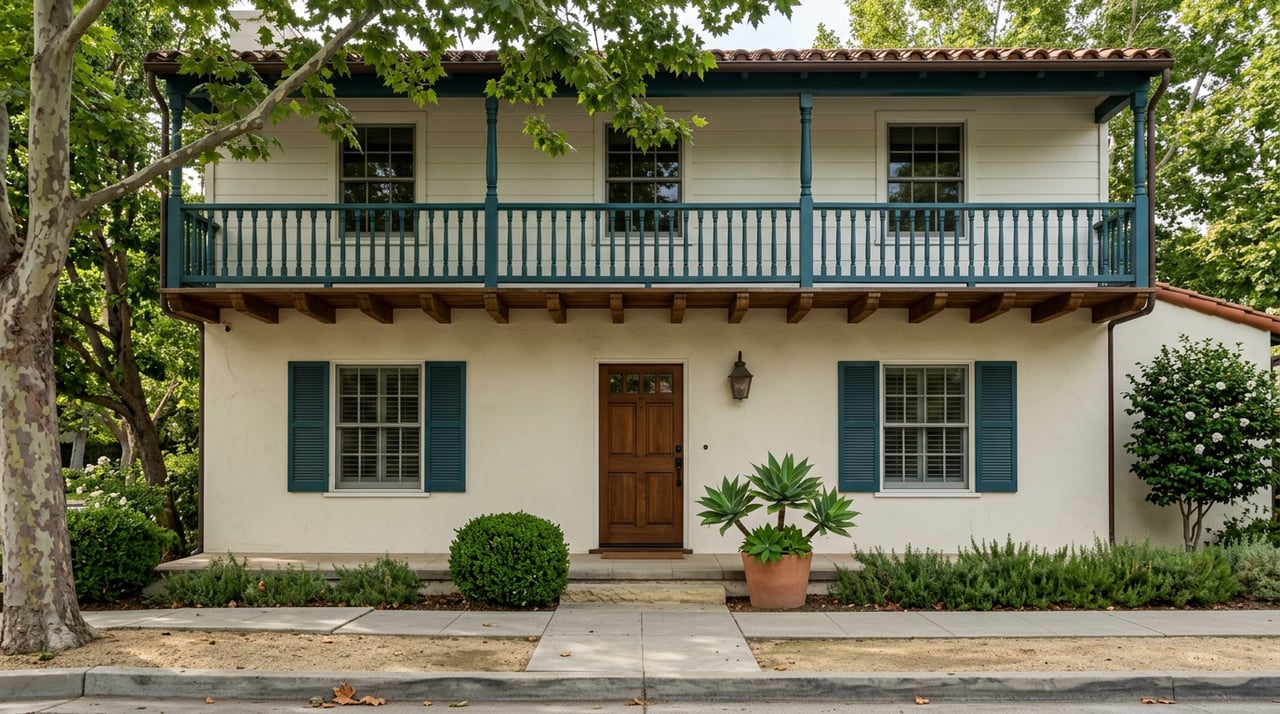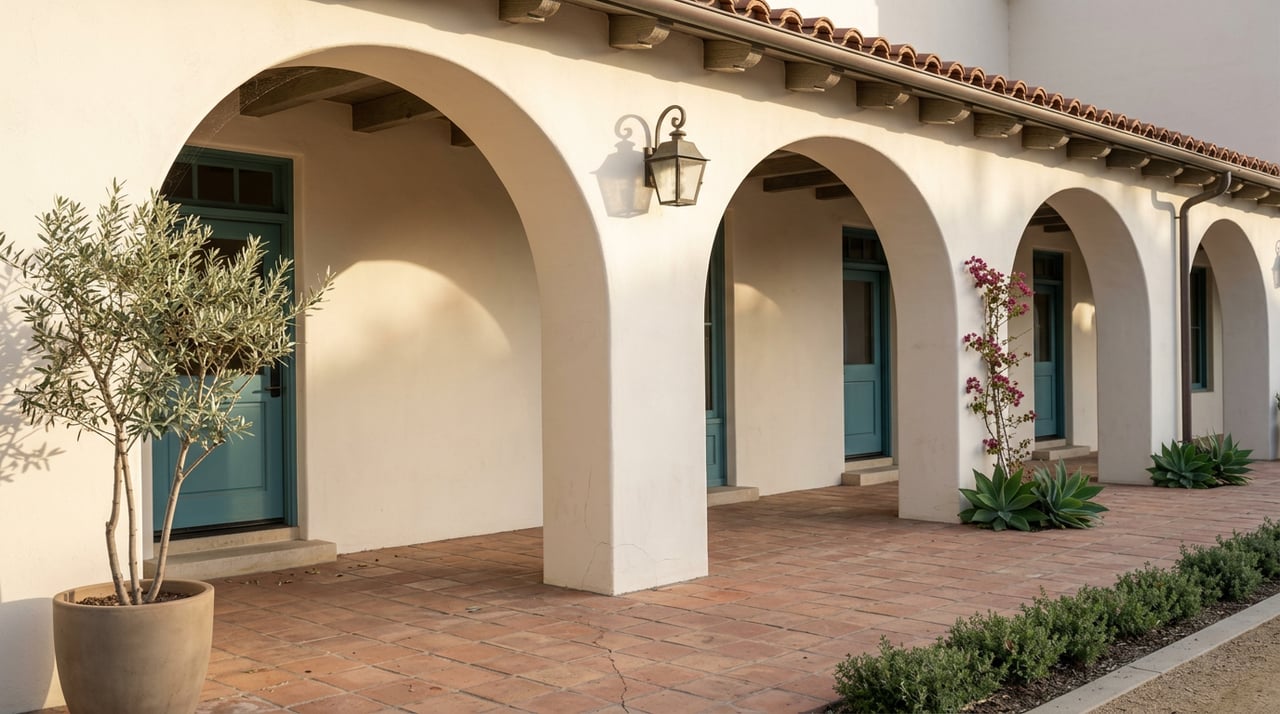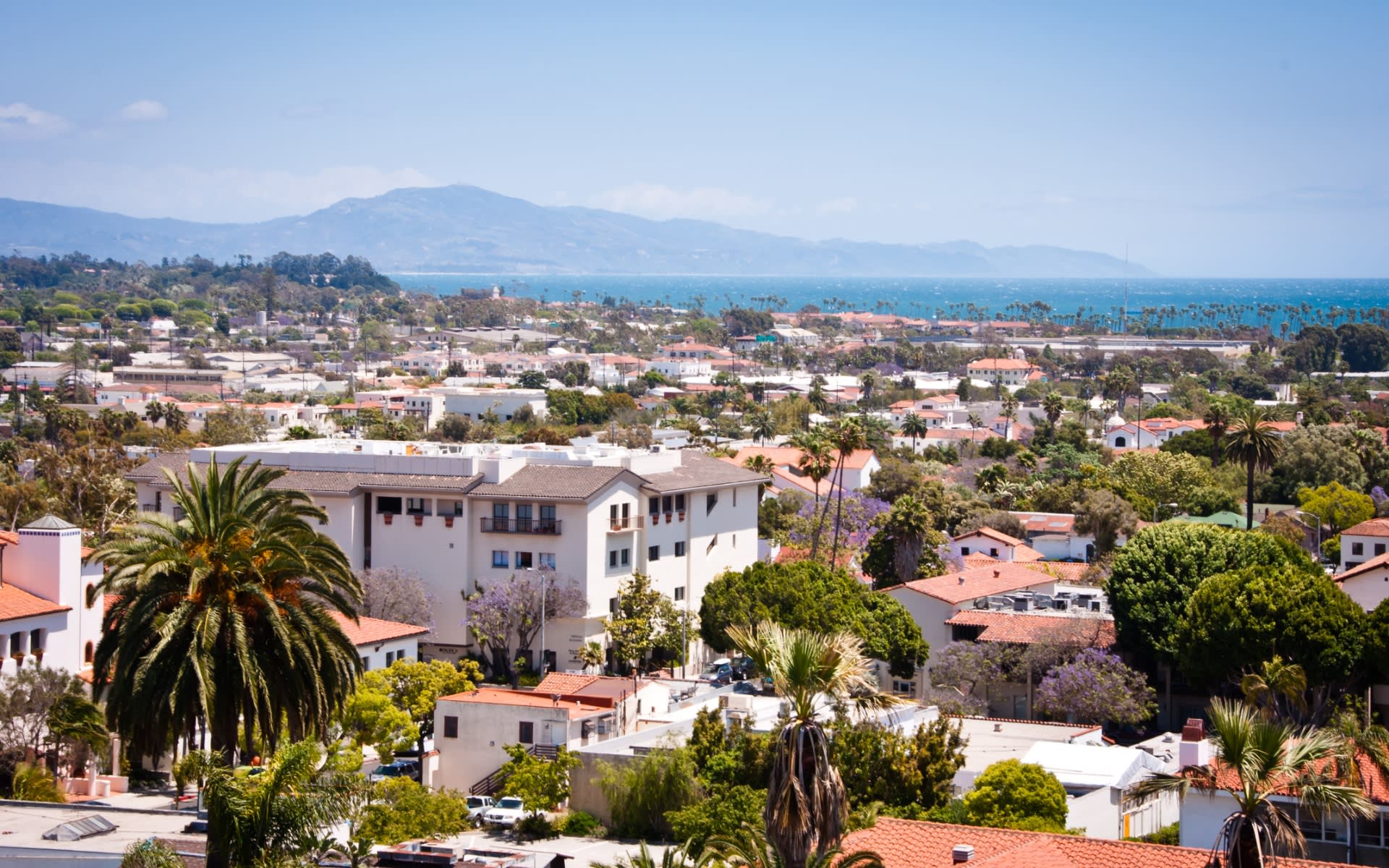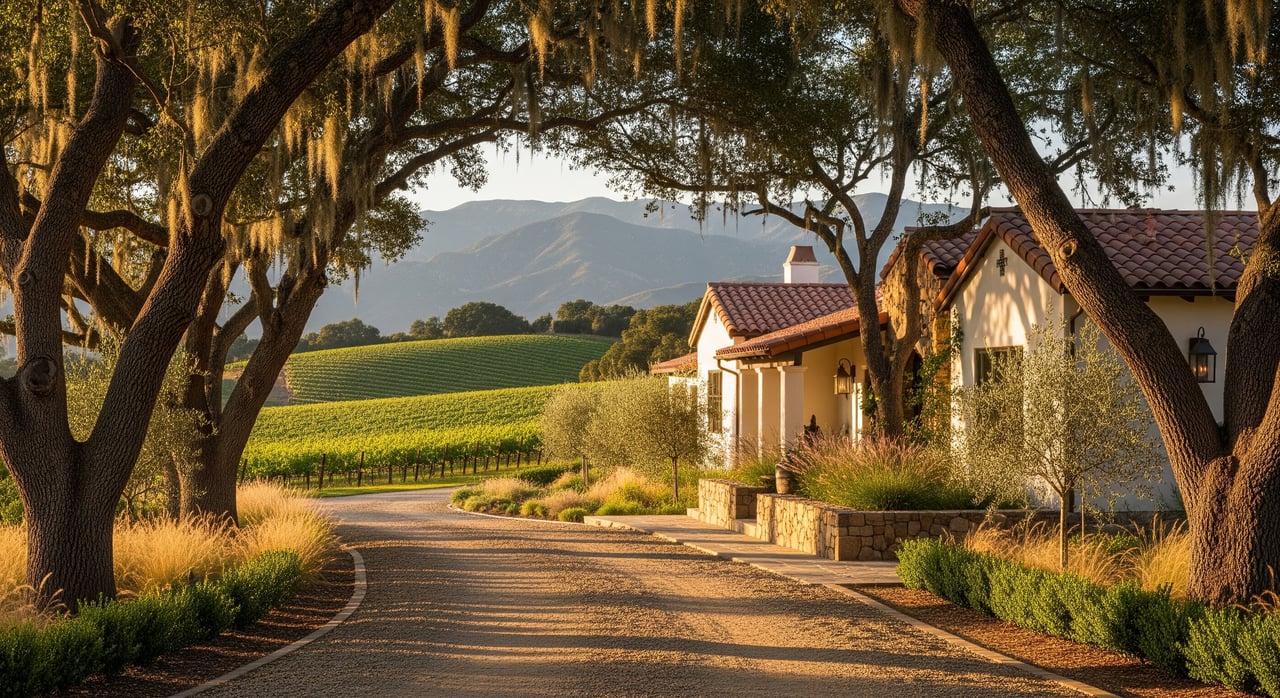
Which Santa Ynez Valley town fits your vision of wine country living? If you are choosing between Los Olivos, Ballard, Solvang, Los Alamos, and Santa Ynez, the details matter, from lot sizes and zoning to water and wildfire. This guide breaks down each community, key property types, and the due diligence that protects your investment. By the end, you will know how to match your lifestyle with the right micro-market and what to confirm before you write an offer. Let’s dive in.
The valley at a glance
The Santa Ynez Valley runs east to west, which creates distinct microclimates. Marine influence keeps western and southern exposures cooler, while inland areas and canyon slopes run warmer. These shifts affect vineyard varietal choices, comfort for outdoor living, and even landscaping. Keep microclimate in mind as you weigh specific parcels and elevations.
Community guides
Los Olivos
Character: A small, upscale village centered on wine tasting, galleries, and boutique inns. The downtown core is walkable and vibrant on weekends. You get the feel of a destination without being far from home.
Property types and lots: Expect small estates and single-family homes in or near town, with vineyard blocks and ranchettes as you move outward. In-town lots are often under 1 to 2 acres. Vineyard parcels range from about 3 to 40 acres, with larger ranches in the surrounding hills.
Lifestyle fit: You may prefer Los Olivos if you want proximity to tasting rooms, hospitality, and light tourism traffic. It is also a practical base for small estate vineyards or tourist-facing concepts that later might require permits.
Ballard and Ballard Canyon
Character: Rural and agricultural with a strong vineyard identity in Ballard Canyon AVA. Roads roll through scenic hills, and the area feels private and low key. Services are nearby but not the main attraction.
Property types and lots: Working vineyards, ranches, equestrian holdings, and rural homes are common. Parcels run from about 5 to 100 plus acres, with many vineyard holdings in the 10 to 40 acre range.
Lifestyle fit: Choose Ballard if you want a hands-on agricultural operation, a producing or plantable vineyard, or a grazing ranch with space and privacy.
Solvang
Character: The largest town in the valley with Danish-style architecture, a robust dining and shopping scene, and municipal infrastructure. You can walk to services, restaurants, and events.
Property types and lots: In-town homes and townhomes sit on smaller lots, often under 0.5 to 2 acres. The outskirts and foothills offer larger estate properties and small acreage retreats in the 2 to 20 plus acre range.
Lifestyle fit: Solvang suits you if you want convenience to services, a second-home retreat near restaurants and shops, or a residential base with easier access to amenities.
Los Alamos
Character: A historic highway town with an emerging dining and antiques scene along Bell Street. It blends rural character with quick access to Highway 101. The area has historically included more affordable pockets compared to the core wine towns.
Property types and lots: Expect older farmhouses, small agricultural parcels, and some industrial or warehouse buildings along the 101 corridor. Lots near town often run under 5 to 20 acres, with larger agricultural parcels as you move outward.
Lifestyle fit: Consider Los Alamos if you want relative affordability, rural character with commuter convenience, or a property that might support mixed residential or light commercial uses, subject to zoning.
Santa Ynez (town)
Character: A town with a strong equestrian and ranching heritage and a mix of services and shops. It offers a practical base for day-to-day needs.
Property types and lots: You will find equestrian estates, ranches, vineyard parcels, and suburban-style homes. In-town lots often run 0.5 to 5 acres, with ranches and estates outside town ranging from 10 to over 200 acres.
Lifestyle fit: Santa Ynez is best if you want a balance of rural living with access to services. It is a natural fit for equestrian-focused buyers and those who want acreage without being far from schools and shops.
Property types and what to know
Vineyards
Vineyard parcels range from small plantings of 2 to 10 acres to commercial operations of 10 to 100 plus acres. Budget for planting, irrigation, trellising, and long-term farming. Producing vineyards require management plans, labor, and cash flow modeling based on vine age and varietal. Confirm water reliability, soil profiles, and microclimate before you set expectations for yield or wine program goals.
Ranch and equestrian holdings
Ranches support cattle, horses, and large estate footprints. Infrastructure often includes fencing, barns, corrals, arenas, and hay storage. County animal-unit limits can affect herd size, and structure placement may be tied to setbacks and zoning. Verify existing permits and whether any prior improvements were completed without approvals.
Retreats and second homes
Smaller-acreage retreats of about 1 to 10 acres often prioritize views, privacy, and amenities like a pool or guest cottage. Focus on utility reliability, defensible space, and driveway access, especially if you plan seasonal use with guests. Broadband availability can vary by parcel, even within the same area.
Mixed-use possibilities
Many valley properties blend vineyard, equestrian, and hospitality concepts. Any commercial activity, such as a tasting room or events, can trigger county permitting. Factor in time, cost, and traffic considerations early in your planning.
Zoning, permits, and operations
Most of the valley lies in unincorporated Santa Barbara County, and Solvang is an incorporated city. The County handles zoning, lot splits, subdivisions, building permits, and septic approvals. If you plan to add a winery, tasting room, or host events, expect discretionary review and a Conditional Use Permit process that addresses production volumes, wastewater, parking, access roads, and traffic.
Some parcels are enrolled in the Williamson Act or under conservation easements. These programs can reduce property taxes while limiting development and certain uses. Ask the County Assessor to confirm contract status and development constraints before you rely on any concept plan.
Short-term rentals may be restricted or require registration depending on location. Review city or county ordinances for transient occupancy rules before you factor rental income into your underwriting.
Water, septic, and utilities
Water is the heartbeat of any rural purchase in the valley. Town areas may be on municipal or district service, while rural parcels often rely on private wells or surface irrigation agreements. Review well logs, recent yield tests, and water quality. Understand any groundwater management rules that may affect pumping and reporting.
Most rural homes use septic systems. If you plan higher-capacity uses, like events or a small tasting room, you may need upgraded systems that meet County environmental health standards. Confirm permitted capacity and reserve areas during inspections.
Electricity is generally available, but some remote parcels need upgrades or backup power. Solar with batteries is common on secluded properties. Internet speeds vary widely, so verify service at the address and plan for alternatives if high-speed access is essential.
Natural hazards and insurance
The Santa Ynez Valley is a high wildfire-risk region. Review fire severity maps and plan for defensible space. Ember-resistant materials and vegetation management can improve safety and insurability. Insurance availability and premiums vary by parcel, construction type, and mitigation measures.
Low-lying areas near the Santa Ynez River and tributaries may experience seasonal flooding. Check floodplain designations and historical drainage patterns. Some parcels include habitat or environmentally sensitive areas that can limit development or require mitigation.
Buyer due diligence checklist
Use this list to focus your pre-offer review, especially for ranches and vineyards:
- Water verification: well logs, recent yield test, depth to groundwater, and water quality. Confirm any irrigation rights or shared systems.
- Soil and site: soil surveys, percolation tests, slope, frost pockets, and wind exposure. Match varietals and site planning to microclimate.
- Permits and uses: verify current zoning, existing permits, and any unpermitted structures. Ask about Conditional Use Permit requirements for winery, tasting, or events.
- Septic and wastewater: system age, capacity, and permits. Confirm reserve area and any upgrades needed for planned uses.
- Fire and flood: fire severity zone, defensible-space requirements, and any floodplain mapping.
- Infrastructure and costs: vineyard labor and inputs, ranch fencing and feed, road maintenance, equipment, and annual operating budgets.
- Title and access: legal access, recorded easements, and maintenance agreements for private roads.
- Taxes and programs: current assessed value, special assessments, and Williamson Act or conservation easement status.
- Insurance and lending: wildfire insurability, premiums, and lender standards for rural or agricultural property.
- Local services and labor: availability of vineyard managers, ranch hands, irrigation specialists, and nearby suppliers.
Matching lifestyle and location
- If you want a vineyard lifestyle with convenience, look at Los Olivos or Ballard. Balance tourism access with privacy, then confirm water and varietal suitability.
- If you want walkable dining and shops, Solvang’s in-town neighborhoods offer services and easier daily routines. For more space, explore the foothill outskirts.
- If you want relative affordability with highway access, consider Los Alamos while checking zoning for any mixed-use goals.
- If you want equestrian depth with services close by, Santa Ynez offers barns, arenas, and trail access on larger parcels, plus day-to-day amenities.
Your next step
Choosing the right Santa Ynez Valley property is about aligning vision, land, and rules. When you weigh water reliability, zoning, fire risk, and operational costs alongside lifestyle fit, you protect your time and capital. If you want a calm, discreet process with careful due diligence and local insight, our team is here to help you source, evaluate, and secure the right property.
Ready to explore the valley with a trusted advisor by your side? Connect with Grubb Campbell Real Estate to begin a confidential conversation about your goals.
FAQs
What is the difference between Los Olivos and Solvang for buyers?
- Los Olivos centers on tasting rooms and small estates near a walkable village, while Solvang offers the largest set of in-town services with smaller lots and estate options on the outskirts.
How do microclimates affect property choices in the Santa Ynez Valley?
- The east to west orientation creates cooler western and southern exposures and warmer inland slopes, which affects vineyard varietals, landscaping, and outdoor living comfort.
What should I verify before buying a vineyard parcel?
- Confirm well yield and quality, soil and slope, irrigation rights, varietal fit, and operating costs for management, labor, and equipment.
What is a Conditional Use Permit and when do I need one?
- Many winery, tasting, or event uses require a discretionary Conditional Use Permit that addresses production, wastewater, parking, access, and traffic.
How does the Williamson Act impact my plans?
- It may lower property taxes while limiting development and certain uses, so verify contract status and allowed improvements before you finalize plans.
Are short-term rentals allowed across the valley?
- Rules vary by jurisdiction, and some locations restrict or require registration for short-term rentals, so review local ordinances for your specific address.
What should equestrian buyers look for on acreage?
- Check zoning and animal-unit limits, barn and arena placement, water access, fencing, and legal access to trails or roads.
How does wildfire risk affect ownership and insurance?
- High-risk zones may face stricter defensible-space rules and higher premiums, so assess construction, vegetation, and mitigation options early.
What are key septic considerations for rural properties?
- Verify system age, capacity, permits, and reserve area, and confirm whether planned uses like events or tasting require upgrades.
Where can I find current pricing and inventory data?
- Use local MLS or brokerage market reports for current median prices, days on market, and per-acre trends by town and property type.